Published on: 16 November 2026
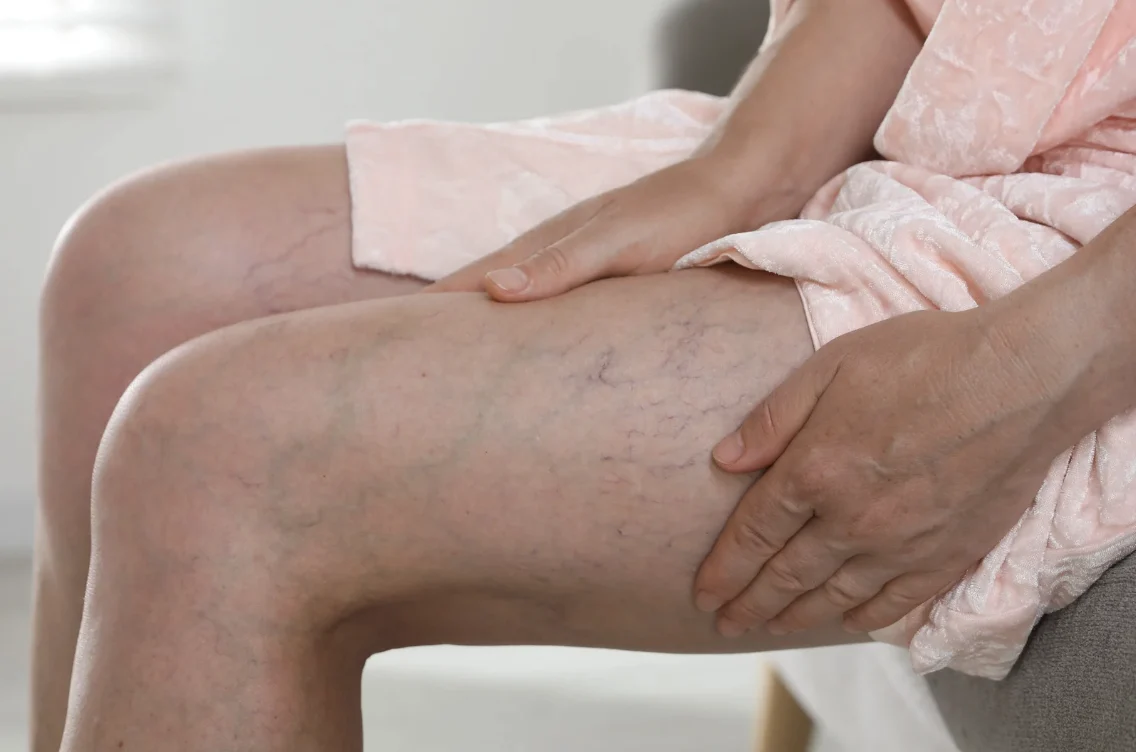
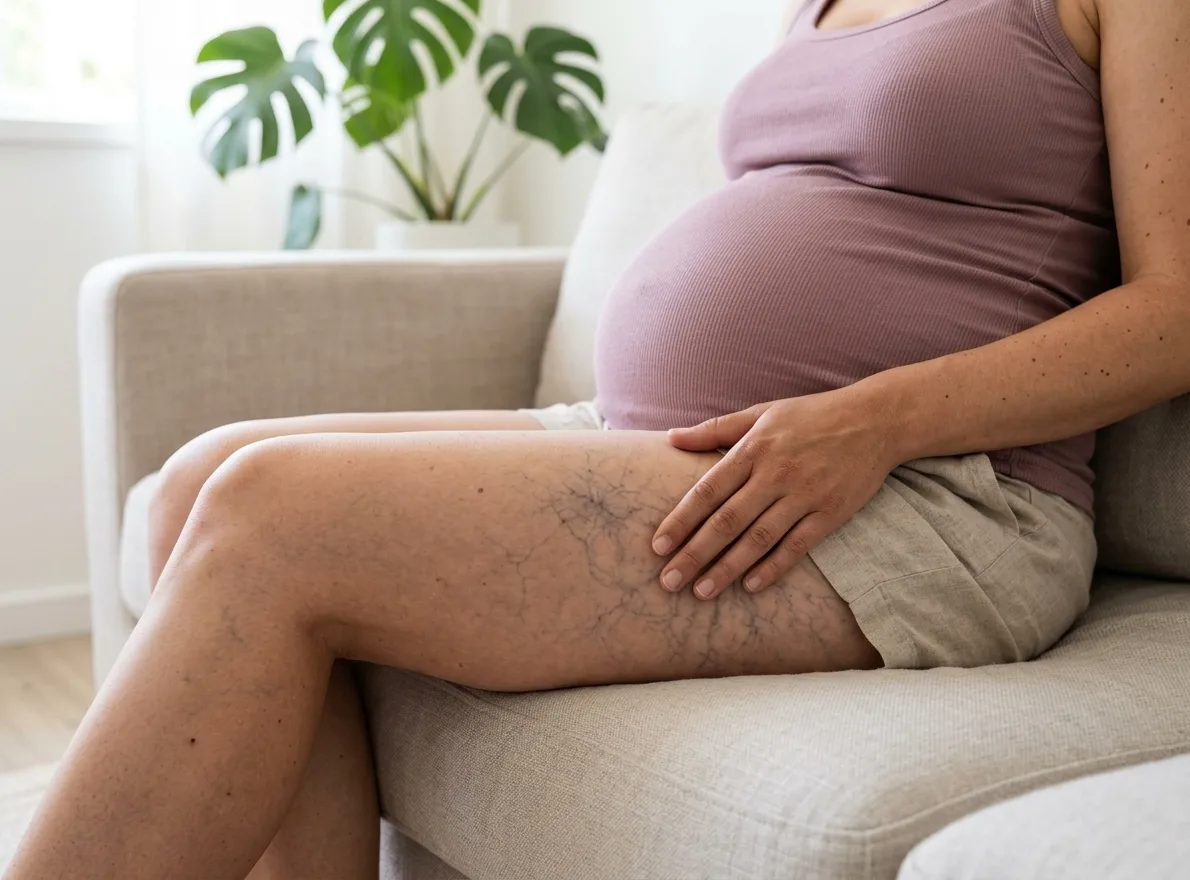
Heavy, aching legs and new bulging veins are a common part of pregnancy for many women in Singapore, particularly for those who stand for long hours at work. Varicose veins during pregnancy develop because the body is working harder to move blood back up from the legs, and the veins are softer than usual. For most women they are a nuisance rather than a danger, and many improve after the baby arrives. Knowing which changes are expected and which need a doctor makes the months ahead easier.
Key Takeaways
- Pregnancy hormones, extra blood volume and pressure from the growing womb make varicose veins more likely, especially from the second pregnancy onwards.
- Most pregnancy veins are uncomfortable rather than dangerous, but sudden swelling, pain or warmth in one leg needs a same-day check for a blood clot.
- Compression stockings, regular movement and raising the legs can ease heaviness and swelling, though evidence for most measures in pregnancy is limited.
- Vein procedures are usually deferred until after delivery, because many veins shrink on their own in the months after birth.
- Veins that are still visible or causing symptoms six to twelve months after delivery are worth assessing with a duplex ultrasound scan.
Why Varicose Veins Often Show Up in Pregnancy
Leg veins rely on one-way valves to keep blood moving up towards the heart. During pregnancy, several changes put those valves under strain at once:
- Hormones relax the walls of the veins, so they stretch more easily
- Blood volume rises to support the baby, adding to the load on the leg veins
- The growing womb presses on the large veins in the pelvis, slowing the return of blood from the legs
- A family history of varicose veins, or previous pregnancies, raise the chance further
Are Varicose Veins During Pregnancy Dangerous?
Varicose veins during pregnancy are usually harmless to both mother and baby. For most women they cause heaviness, aching, itching or swelling by the end of the day. The main concern is that pregnancy also raises the risk of blood clots, so certain symptoms should never be put down to varicose veins alone.
When to See a Doctor
Go to A&E, or call 995 for an emergency ambulance, if you have sudden breathlessness, chest pain or cough up blood. See a doctor the same day if you notice:
- One leg that suddenly becomes swollen, painful or warm, which can be a sign of deep vein thrombosis
- A hard, red and tender lump along a vein, which may be a surface clot
- A vein that bleeds, which needs firm pressure with the leg raised (our guide to bleeding varicose veins covers the steps)
Our deep vein thrombosis guide explains how clots are diagnosed and treated.
Vulval Varicose Veins
Some women develop swollen veins around the vulva, the outer genital area. A study in the International Journal of Women’s Health estimates they affect 18% to 22% of pregnant women, most often appearing around the middle of pregnancy. They can cause a feeling of heaviness or discomfort, especially after standing.
Most vulval varicose veins shrink after delivery, usually over a few months, though in a small group followed for a year, about 1 in 5 women still had them. On their own, they are not usually a reason for a caesarean, but do mention them to your obstetrician. If they persist after birth, or come with a dragging pelvic ache, they may point to pelvic vein reflux and are worth discussing with a vascular specialist.
What Helps During Pregnancy

Simple measures can ease symptoms, and most can be started straight away:
- Wear graduated compression stockings, ideally fitted by a professional and put on in the morning before swelling builds
- Keep moving, and avoid standing or sitting still for long periods
- Raise your legs when resting
- Many doctors suggest lying on your left side in later pregnancy to take pressure off the main pelvic vein
Can Varicose Veins Be Treated While Pregnant?
Vein procedures are usually deferred until after delivery. Many veins shrink once hormone levels and blood volume return to normal, so treating them during pregnancy may be unnecessary, and procedures such as ablation or sclerotherapy are generally avoided while pregnant.
The focus during pregnancy is comfort and safety: compression, movement and prompt checks for any clot symptoms. An earlier vascular review may be needed if a vein bleeds, a clot forms or symptoms are severe.
Do Varicose Veins Go Away After Pregnancy?
Many do, at least partly. In the same postpartum study, most improvement happened within 12 months of delivery, yet around a quarter of women still had visible veins beyond six months. Veins that have not shrunk between six and twelve months after birth are likely to stay.
Treatment Options After Delivery
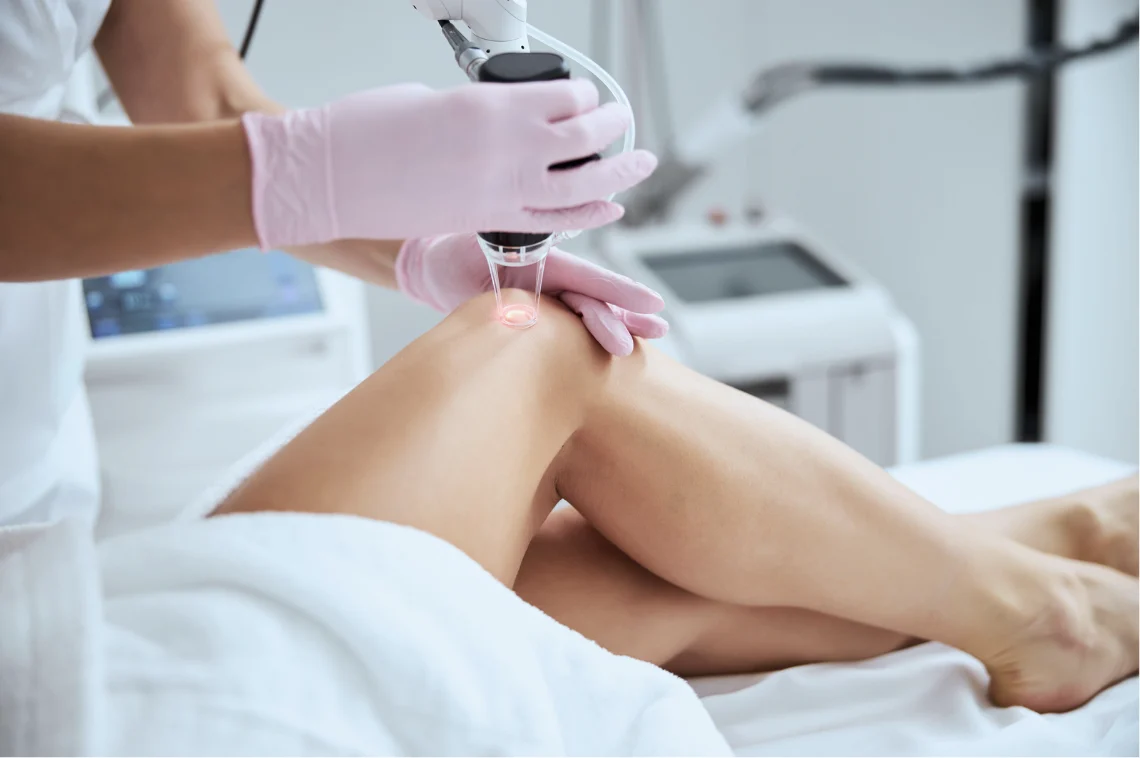
A duplex ultrasound vein screening shows whether faulty valves are still causing reflux. If treatment is needed, options include radiofrequency ablation, endovenous laser ablation (EVLA), VenaSeal and sclerotherapy, usually as day procedures under local anaesthesia.
Each carries risks, such as bruising, discomfort, skin staining and, uncommonly, a deep vein clot. Timing also depends on whether you are breastfeeding or planning another pregnancy, which your specialist will discuss. When clinically indicated, treatment for symptomatic veins is generally claimable under Medisave and Integrated Shield Plans, subject to MOH claim limits.
Planning Your Vein Care Around Pregnancy
Varicose veins in pregnancy are common, usually harmless and often temporary. Easing symptoms now, watching for clot warning signs and reviewing any veins that remain after birth keeps both your comfort and your long-term vein health on track.
If varicose veins are still bothering you several months after delivery, book a vascular assessment with duplex ultrasound at Vascular & Interventional Centre. The specialist team can confirm whether treatment is needed and plan it around your family plans.