Published on: 16 November 2026
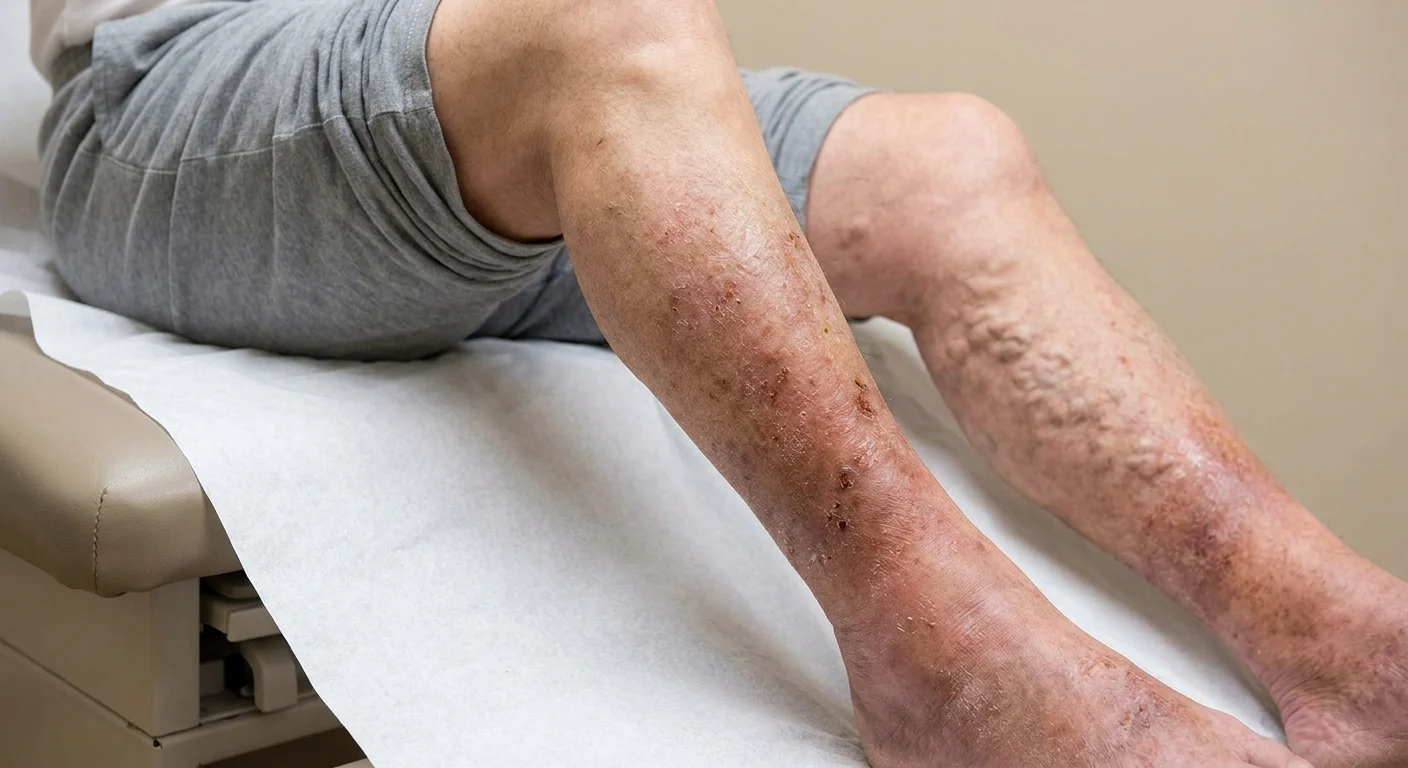
Itchy, red or weeping skin around the ankles that settles with a cream, only to flare again weeks later, is a pattern many patients describe before they see a vascular specialist. Venous eczema, also called stasis or varicose eczema, is not a skin problem at its root. It starts with faulty valves in the leg veins, which let blood pool and pressure build in the lower leg. Until that pressure is dealt with, the skin is fighting the same battle every day.
Key Takeaways
- Venous eczema is itchy, inflamed skin on the lower legs caused by high pressure in faulty leg veins.
- Steroid creams can calm a flare, but they do not lower the vein pressure that drives it, so the eczema often returns.
- People with venous eczema are prone to allergic reactions to ingredients in creams, which can make flares worse.
- Untreated, the skin can thicken, darken and eventually break down into a leg ulcer.
- A duplex ultrasound scan finds the faulty veins, and treating them with compression or a minimally invasive procedure tackles the cause.
What Is Venous Eczema?
Healthy leg veins have one-way valves that keep blood flowing up towards the heart. When the valves weaken, blood flows backwards and collects in the lower leg, a problem called chronic venous insufficiency. The raised pressure lets fluid and blood cells leak into the surrounding skin, which sets off ongoing inflammation.
Venous eczema usually appears on the lower legs, often around the inner ankle, and is more common in older adults and people with varicose veins. Our guide to chronic venous insufficiency explains how the condition develops over time.
Common Symptoms: Itch, Inflammation and Weeping Skin
Venous eczema tends to build gradually, flaring and settling over weeks or months, so early signs are easy to brush off as a minor skin problem. Here are the common symptoms to look out for:
- Itching, often worse in the evening or at night
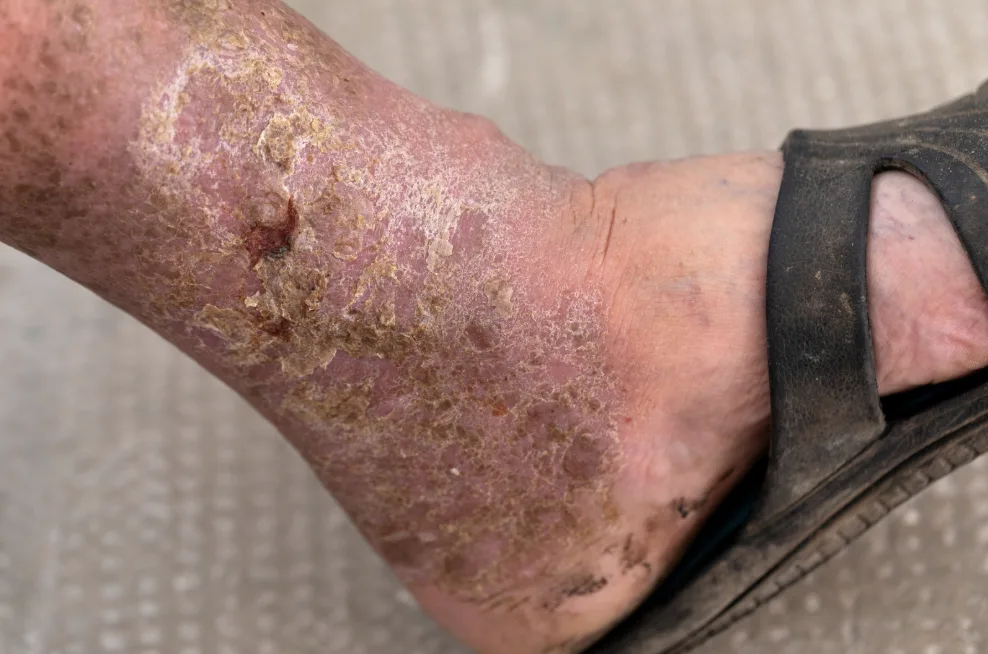
- Red, inflamed patches, which can look brown, purple or grey on darker skin tones
- Dry, scaly or flaky skin around the ankle and lower calf
- Weeping, crusting or oozing skin during a flare
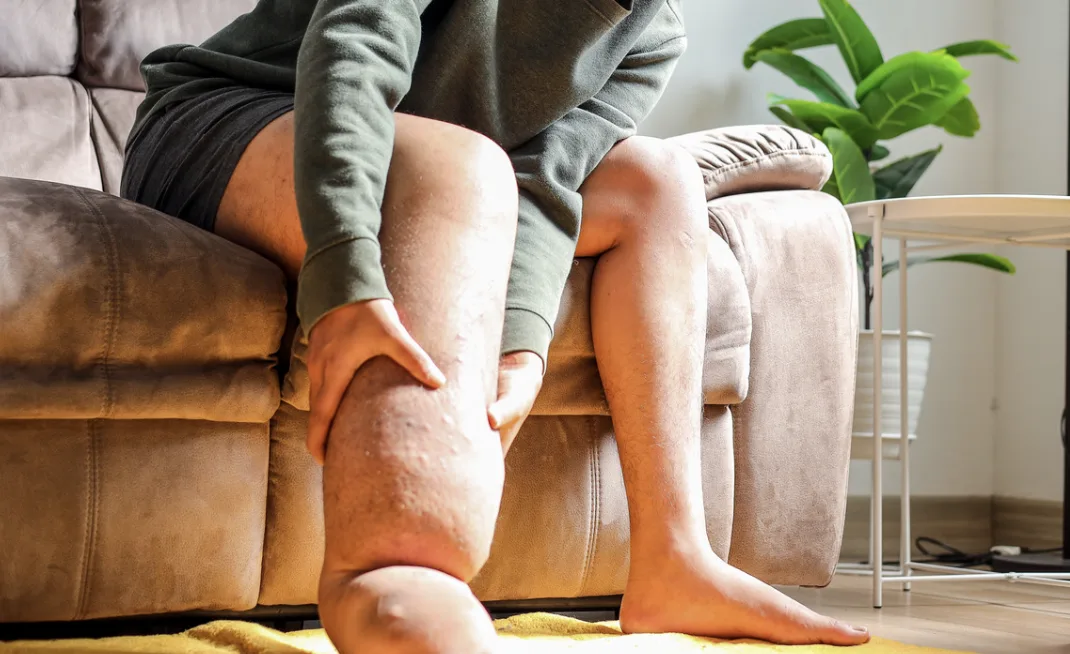
- Swollen ankles, heaviness or aching by the end of the day
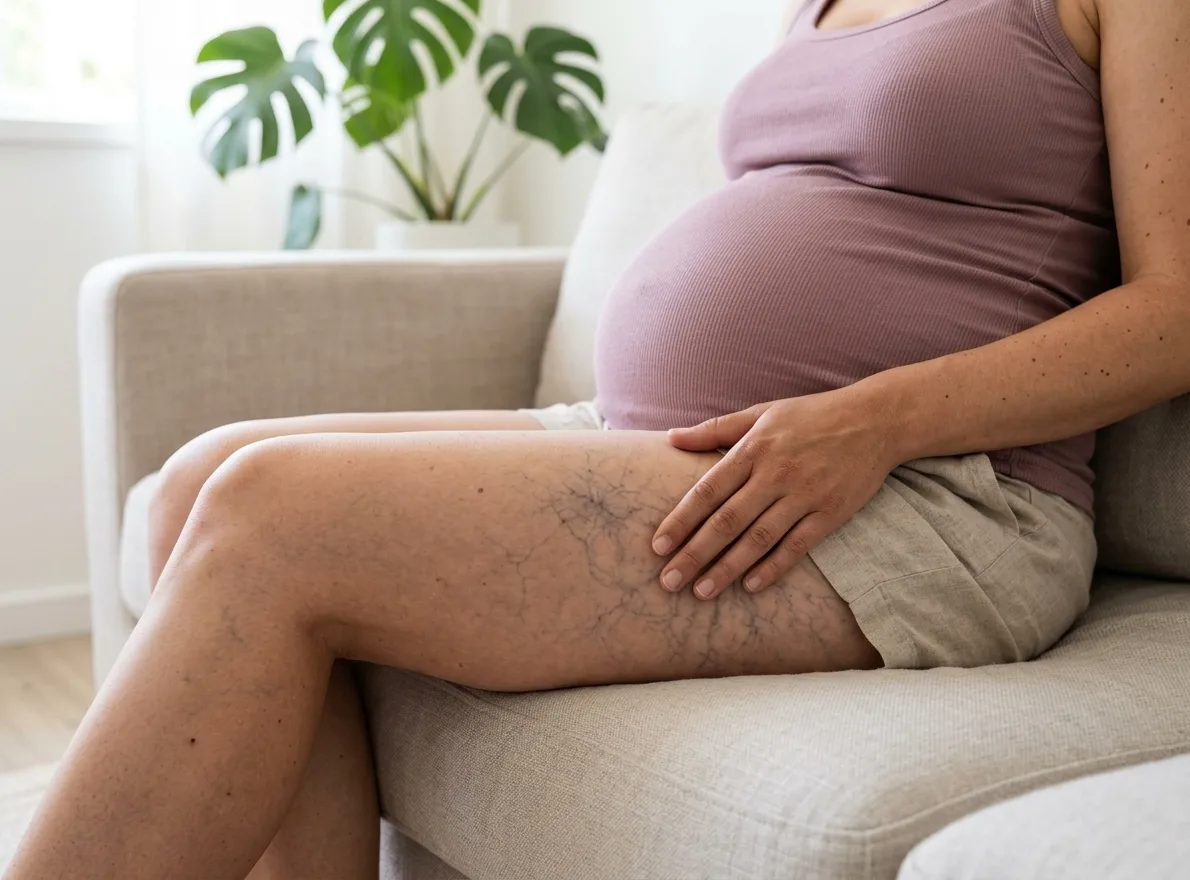
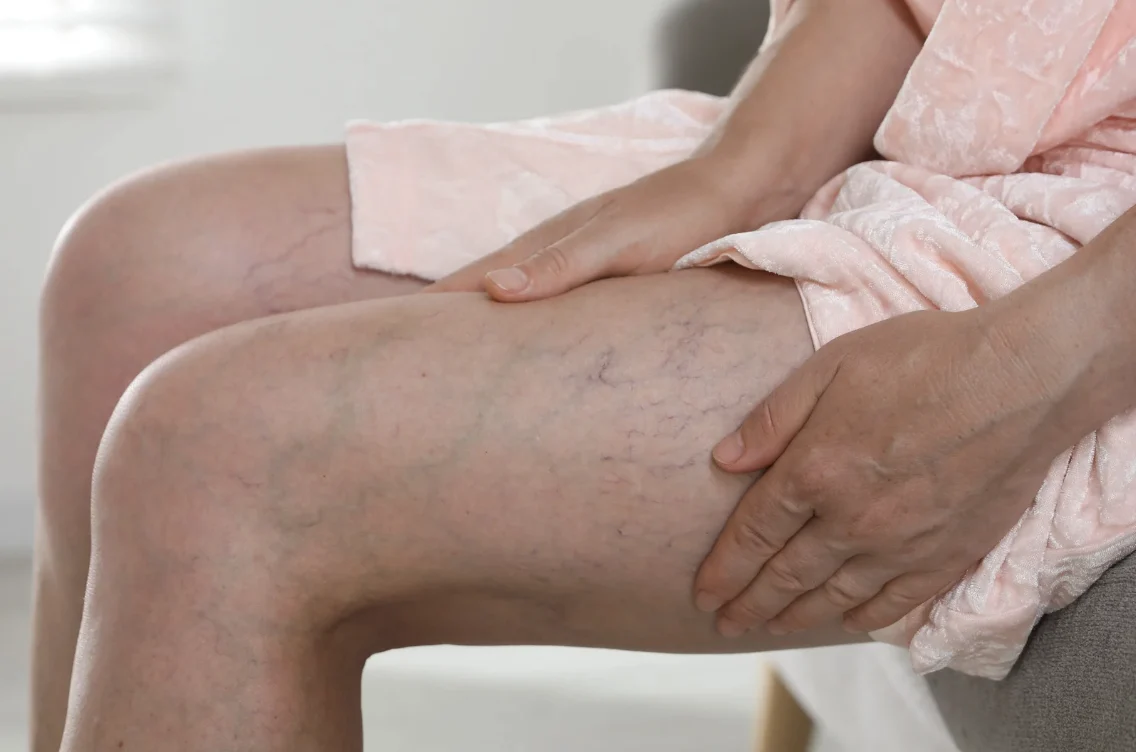
- Visible varicose veins on the same leg
How to Tell Venous Eczema Apart From Cellulitis
Venous eczema is sometimes mistaken for cellulitis, a skin infection, or for a reaction to a skin product. Venous eczema usually builds slowly, often affects both legs and comes with signs of vein disease such as swelling or visible veins. Cellulitis usually affects one leg, spreads over hours or days, feels hot and tender, and needs prompt medical care.
Why Does Venous Eczema Keep Coming Back?
Venous eczema returns because the pressure in the faulty veins never stops. Each day spent standing or sitting pushes more fluid into the skin, so inflammation builds again soon after a flare has been calmed.
Why Steroid Creams Alone Aren’t Enough
Steroid creams reduce inflammation in the skin’s surface, which is why they often help in the short term. They do nothing to the valves or the pressure underneath, so once a course stops, the trigger is still in place.
Skin affected by venous eczema can also be more sensitive to some ingredients in creams. In a small study of 34 patients with venous eczema, half reacted to at least one common skin allergen on patch testing, with fragrance among the most common triggers. If your skin gets worse after starting a new product, it is worth checking with your doctor, who can guide which creams to use. Our article on whether varicose vein creams work explains what topical products can and cannot do.
Is Venous Eczema Serious?
Venous eczema is not harmful in itself, but it is a sign that the veins in the leg are not working as well as they should. Over time, the skin around the ankle may become darker or firmer, and it can be slower to heal if it gets broken. Getting the veins checked early helps protect the skin and lowers the chance of a leg ulcer developing.
When to See a Doctor Promptly
Skin affected by venous eczema is fragile and heals slowly, so some changes need medical attention sooner rather than at your next routine visit. See a GP or your specialist promptly if you notice:
- Spreading redness, heat or pain, with or without fever, which can signal cellulitis
- An open wound on the lower leg that is not healing
- Bleeding from the skin or a nearby vein
How a Vascular Specialist Finds the Cause
During a vascular evaluation at a clinic, the specialist examines the skin and legs, then uses a duplex ultrasound vein screening to map which veins are refluxing. A review of stasis dermatitis in the American Journal of Clinical Dermatology notes that duplex ultrasound helps confirm reflux when the diagnosis is uncertain.
The scan is painless and shows whether the problem lies in the superficial veins, the deep veins or both. That map decides which treatment can reduce the pressure on the skin.
Can Treating Varicose Veins Help Venous Eczema?
In many cases, yes. Lowering the pressure in the leg veins removes the main driver of the inflammation, which is something creams cannot do. The same review notes that minimally invasive procedures have largely replaced open surgery for treating the reflux behind stasis dermatitis.
- Graduated compression stockings reduce pressure in the lower leg every day they are worn
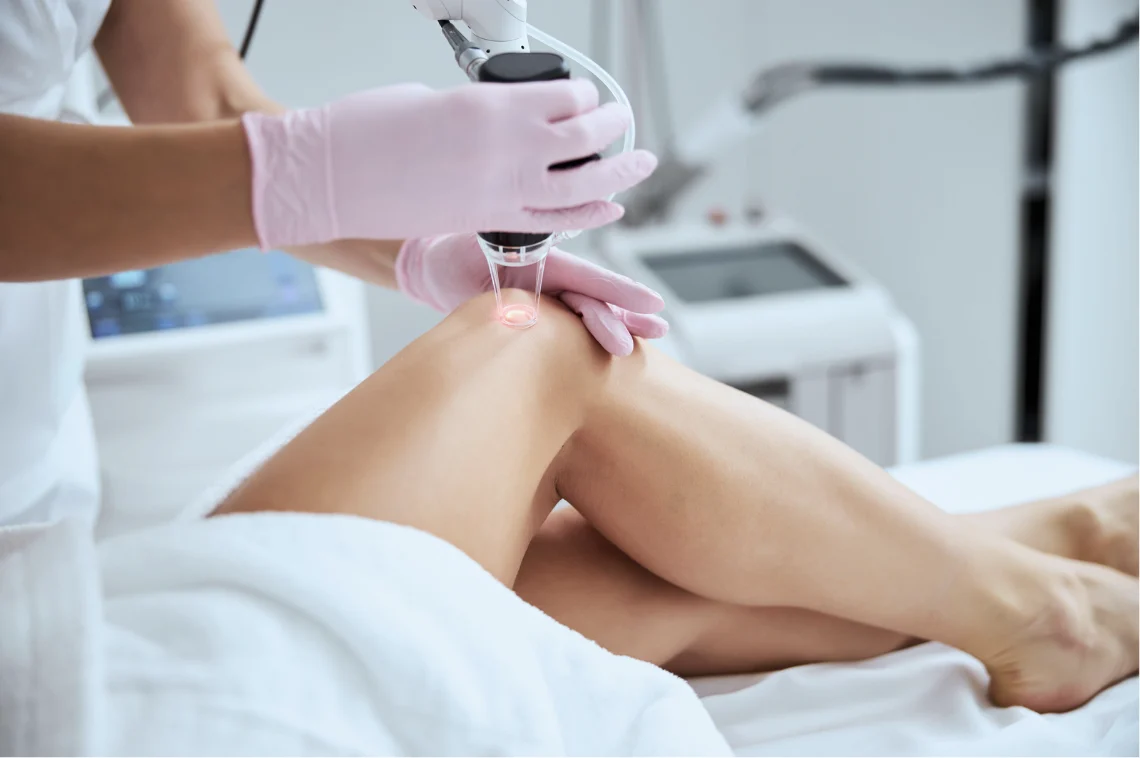
- Radiofrequency ablation, endovenous laser ablation (EVLA) and VenaSeal close the main faulty vein through a needle puncture
- Ultrasound-guided sclerotherapy can treat smaller refluxing veins near the affected skin
These are usually day procedures under local anaesthesia. Risks include bruising, discomfort, skin staining and, uncommonly, a deep vein clot, and not everyone is suitable, for example people with blocked deep veins or poor arterial supply. Skin changes improve gradually, and some staining may not fade completely. When clinically indicated, treatment is generally claimable under Medisave and Integrated Shield Plans, subject to MOH claim limits.
Why Treating the Cause Matters
Venous eczema keeps returning because the skin is responding to pressure from faulty veins. Calming the flare helps, but longer-term control depends on finding and treating the veins behind it.
If you have itchy, inflamed skin on your lower legs that keeps coming back, book a vascular assessment with duplex ultrasound at Vascular & Interventional Centre. The specialist team can confirm whether vein reflux is the cause and recommend a plan that suits you.