Published on: 18 September 2026
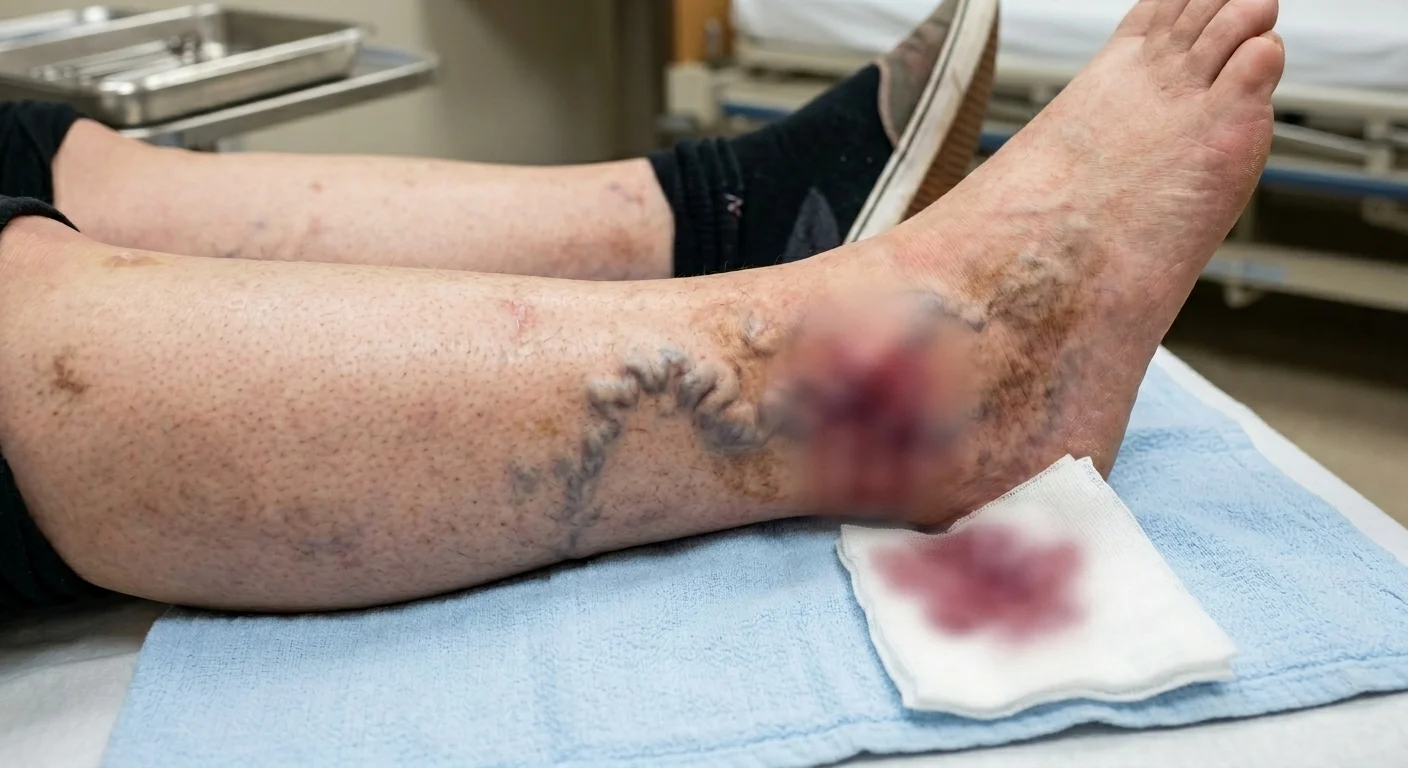
A burst leg vein can look alarming as dark blood pools rapidly across the floor. Understanding how to manage bleeding varicose veins in legs quickly helps prevent heavy blood loss and keeps you safe before seeing a specialist.
Key Takeaways
- Lie down flat immediately to drop lower-limb venous pressure.
- Elevate your leg well above heart level using pillows or cushions.
- Apply firm, direct pressure on the bleeding point with a clean towel for at least 10 minutes continuously.
- Call 995 or head to an A&E if heavy bleeding does not stop after ten minutes.
Understanding Leg Vein Ruptures & Haemorrhages
When a varicose vein ruptures, it can bleed quite profusely. This occurs when high internal pressure stretches fragile skin and blood vessels until they split.
The Anatomy of a Weakened Vein Wall
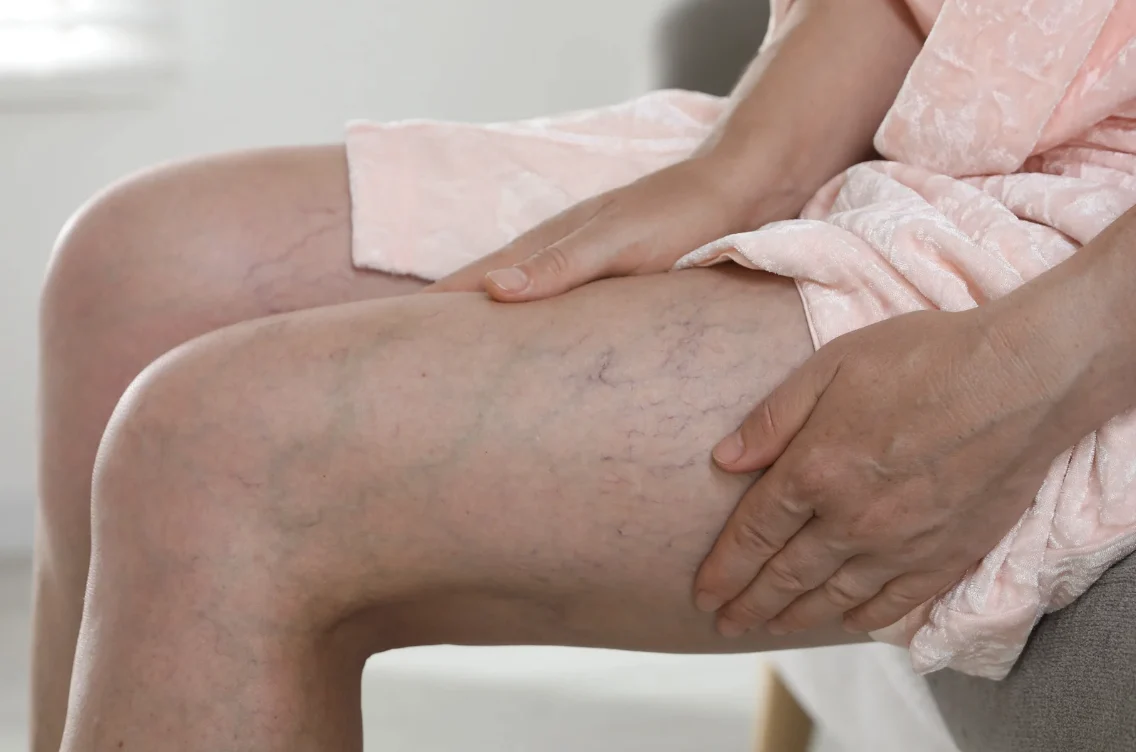
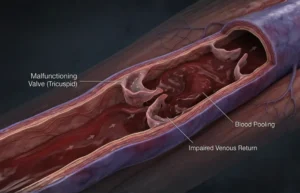
Healthy veins rely on tiny valves to push blood upwards toward the heart. When these valves fail, blood flows backwards and pools in the lower legs. This continuous backward pressure causes the vein walls to stretch, thin out, and bulge right beneath fragile skin.
Warning Signs of a High-Risk Surface Vein
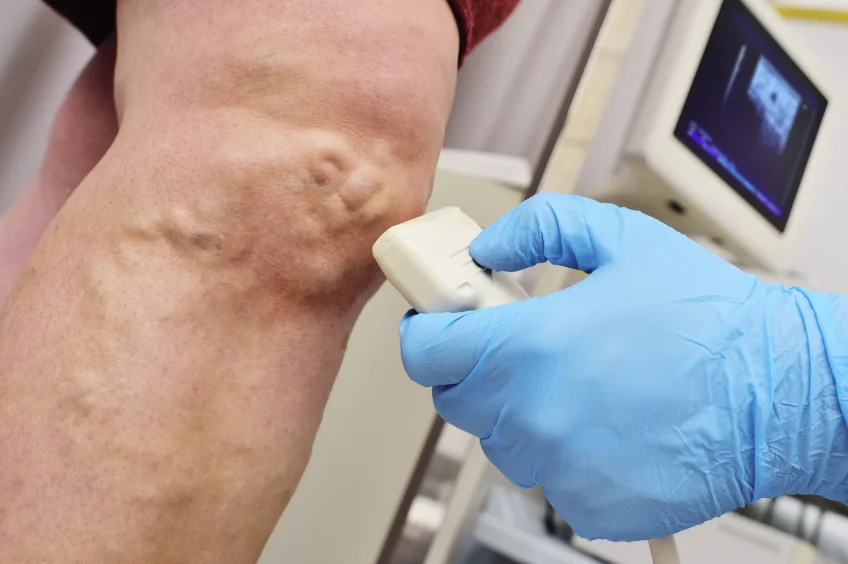
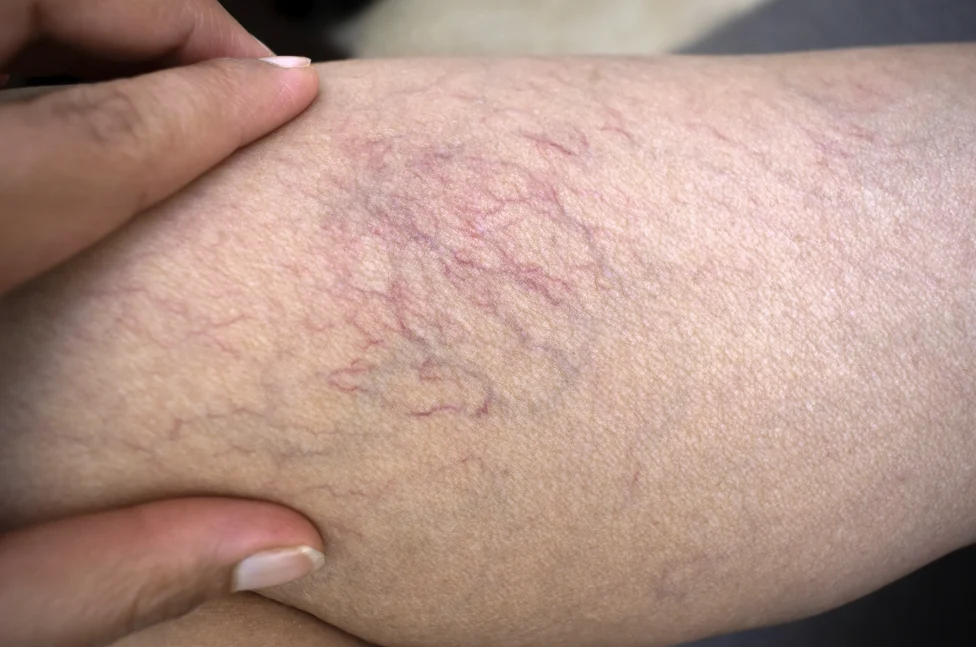
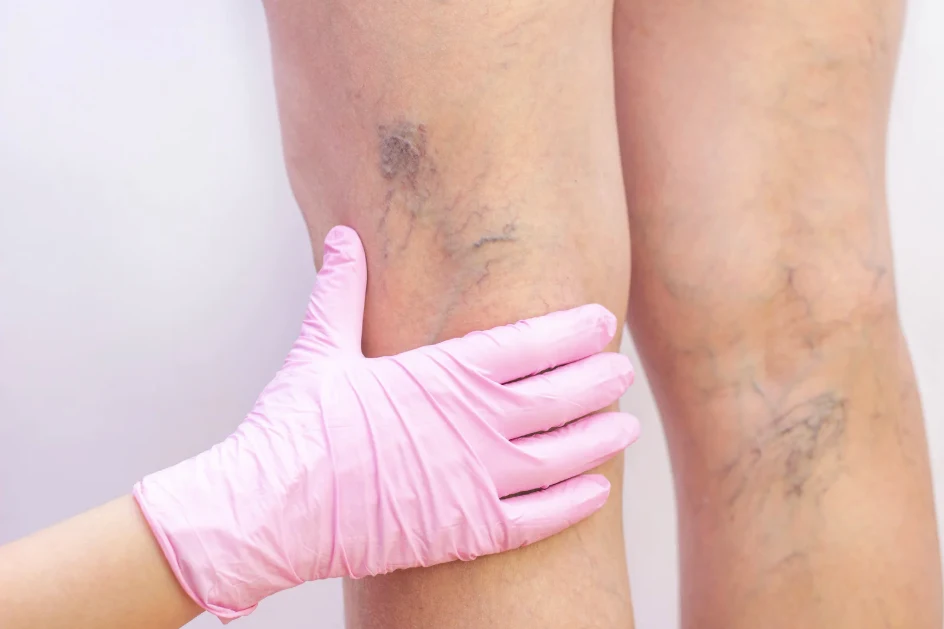
Dark purple bulges, paper-thin skin, or small blue domes near the ankle often indicate high local blood pressure. These delicate spots can break open with very little warning or physical force.
Why Do Enlarged Veins Burst Suddenly?
Sudden bleeding from varicose veins in legs stems from increased pressure combined with minor everyday friction.
Primary Causes of Sudden Venous Bleeding
A minor injury, scratch, or knock to the leg can puncture the thin vein wall. Pressure changes during straining (heavy lifting or constipation) may also trigger rupture. Sometimes, a vein simply gives way after years of weakening.
Common Triggers: Warm Showers, Shaving, and Minor Scrapes
Heat from hot water increases blood flow and vein pressure. Shaving legs with varicose veins poses obvious risks if the razor catches a vein. Bumping your shin against furniture, stepping awkwardly, or even scratching while itchy may initiate bleeding that seems minor at first but can escalate.
Key Risk Factors That Increase Rupture Vulnerability
Advancing age, chronic swelling, prolonged standing, and blood-thinning medications appear to increase your risk. Thin skin around the ankles tends to be particularly vulnerable to damage.
Emergency First Aid: How to Control the Bleeding at Home
Prompt home first aid reduces venous pressure and allows natural clotting to take effect.
Step-by-Step Guide to Stopping an Active Haemorrhage
- Lie down flat immediately on the floor or bed to drop gravity-induced pressure.
- Elevate the leg well above heart level using cushions or a sofa back.
- Apply direct pressure using a clean cloth or towel for at least ten solid minutes without lifting it to check.
Crucial Mistakes That Disrupt Clot Formation
Removing the towel every few seconds to monitor bleeding prevents a clot from forming. Applying ice isn’t recommended, as cold can worsen swelling. Panicking and pacing about increases heart rate and blood pressure, making bleeding worse. Attempting to bandage without stopping the bleeding first simply traps blood inside the wound.
When to Seek Immediate Medical Evaluation
Not all bleeding demands A&E, but knowing the difference between minor seepage and a true emergency is essential.
Triage Guide: Minor Seepage vs. Life-Threatening Emergency
| Symptoms | Minor Seepage | Emergency Case |
| Blood Flow | Slow trickling | Rapid spurting or continuous flow |
| Response to Pressure | Stops within 10 minutes | Continues after 10 to 15 minutes of direct pressure |
| Dizziness or Fainting | Absent | Present (requires 995 immediately) |
Emergency A&E Departments for Severe Vascular Cases in Singapore
If direct pressure fails to stop bleeding from varicose veins in legs after ten minutes, visit the nearest hospital Emergency Department immediately or call 995 for emergency transport.
Dangers of Ignoring Recurrent Vein Bleeds
Repeated bleeding from varicose veins in legs signals underlying structural failure that requires proper medical care.
Risks of Significant Blood Loss & Anaemia
Each episode reduces your red blood cell count. Anaemia develops gradually, causing fatigue, shortness of breath, and reduced oxygen delivery. Severe anaemia may require transfusion. Iron levels deplete over time, weakening immunity and slowing wound healing.
Complications: Non-Healing Ulcers & Skin Infections
Bleeding weakens surrounding tissue. Skin breaks down more easily, creating ulcers that resist treatment. Bacteria enter through these openings, causing cellulitis or abscess formation. Chronic wounds become painful, restrict movement, and risk serious infection.
Specialist Medical Treatments for Ruptured Veins
Minimally invasive vein treatments address faulty valves to prevent future bleeding episodes.
Modern, Minimally Invasive Procedures to Seal Faulty Veins
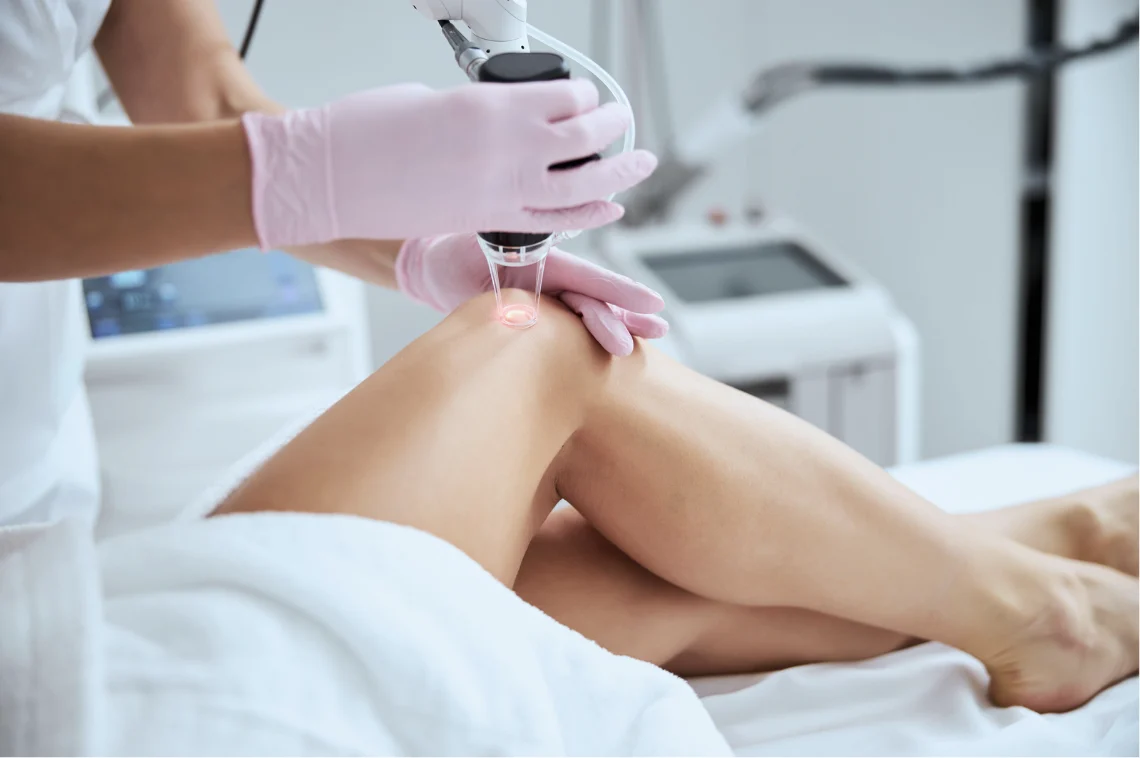
- Endovenous Laser or Radiofrequency Ablation: Thermal energy seals the leaking vessel internally.
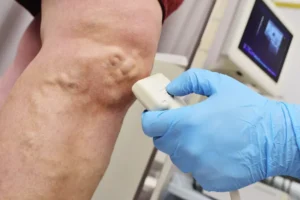
- Ultrasound-Guided Foam Sclerotherapy: A specialised solution collapses target superficial veins.
- Medical Adhesive (VenaSeal): Medical glue seals damaged veins without requiring heat or local anaesthesia injections along the vein.
Singapore Financing, Insurance & Medisave Options
Financial coverage options help make medically necessary vascular treatments accessible in Singapore.
Using MediSave for Medically Necessary Vein Procedures
When bleeding varicose veins in legs cause active complications, procedures are generally classified as medically necessary, allowing eligible Singaporeans to tap into MediSave savings.
Integrated Shield Plan Coverage for Vascular Interventions
Most private Integrated Shield Plans provide partial or full coverage for medically necessary vascular treatments, subject to your individual policy deductibles and co-insurance.
Conclusion
A burst vein looks scary, but immediate elevation and direct pressure usually control the situation until expert medical care is arranged. Addressing the underlying vein failure remains the best way to prevent future recurrences.
If you have experienced bleeding varicose veins in legs, book a consultation with the team at Vascular & Interventional Centre today to discuss your treatment options.