Published on: 16 November 2026
A wound near the ankle that has been dressed for weeks yet keeps weeping or barely shrinks is a common reason patients are referred for a vascular opinion. In most cases, a venous ulcer is not a skin problem at its root. It forms because faulty valves in the leg veins let blood pool and pressure build in the lower leg, and that pressure breaks the skin down faster than it can repair. Dressings protect the surface, while treating the refluxing vein addresses the reason the wound formed.
Key Takeaways
- A venous ulcer forms when damaged vein valves cause sustained high pressure in the lower leg, usually around the inner ankle.
- Dressings and compression help the wound heal, but they do not correct the vein reflux that caused it.
- A large randomised trial found that treating superficial vein reflux early, alongside compression, healed leg ulcers faster than delaying vein treatment.
- Minimally invasive options such as radiofrequency ablation, VenaSeal and ultrasound-guided foam sclerotherapy can close the faulty vein as a day procedure, though not everyone is suitable.
- Treating the vein and wearing compression stockings after healing both lower the chance of the ulcer returning.
How Vein Reflux Turns Into an Open Wound
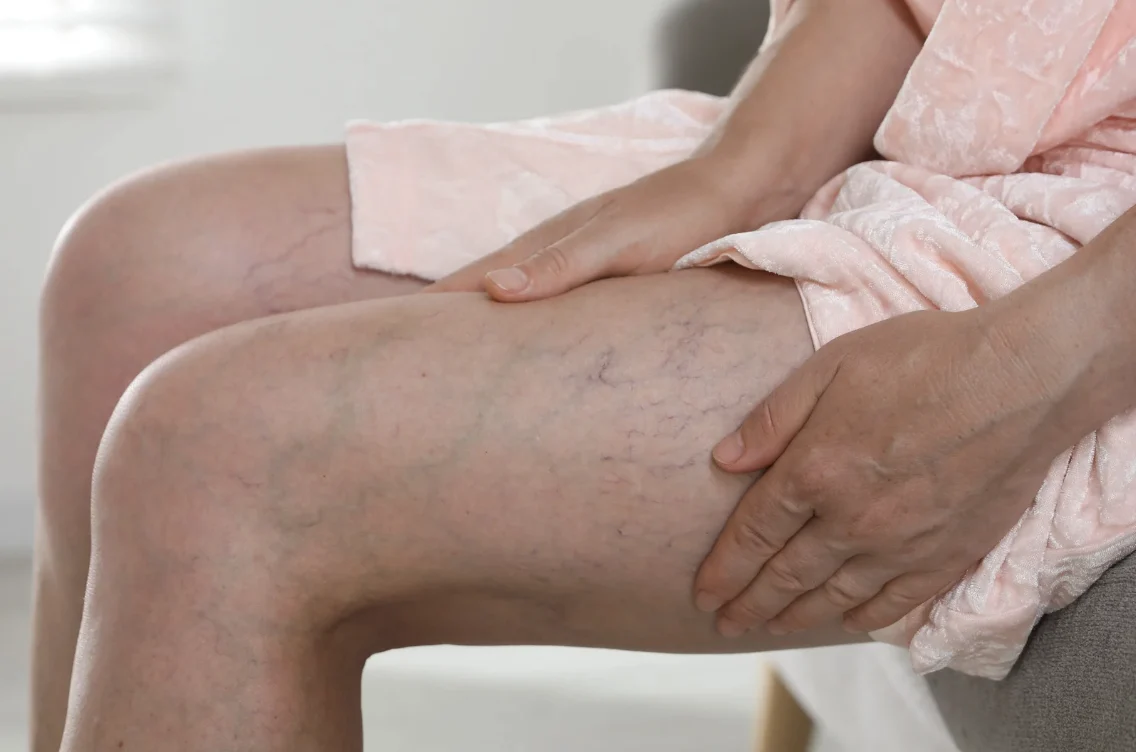
Healthy leg veins have one-way valves that keep blood moving up towards the heart. When these valves weaken, blood flows backwards and pools in the lower leg, a problem called venous reflux. Over time, this raised pressure, known as venous hypertension, damages the tiny vessels that feed the skin.
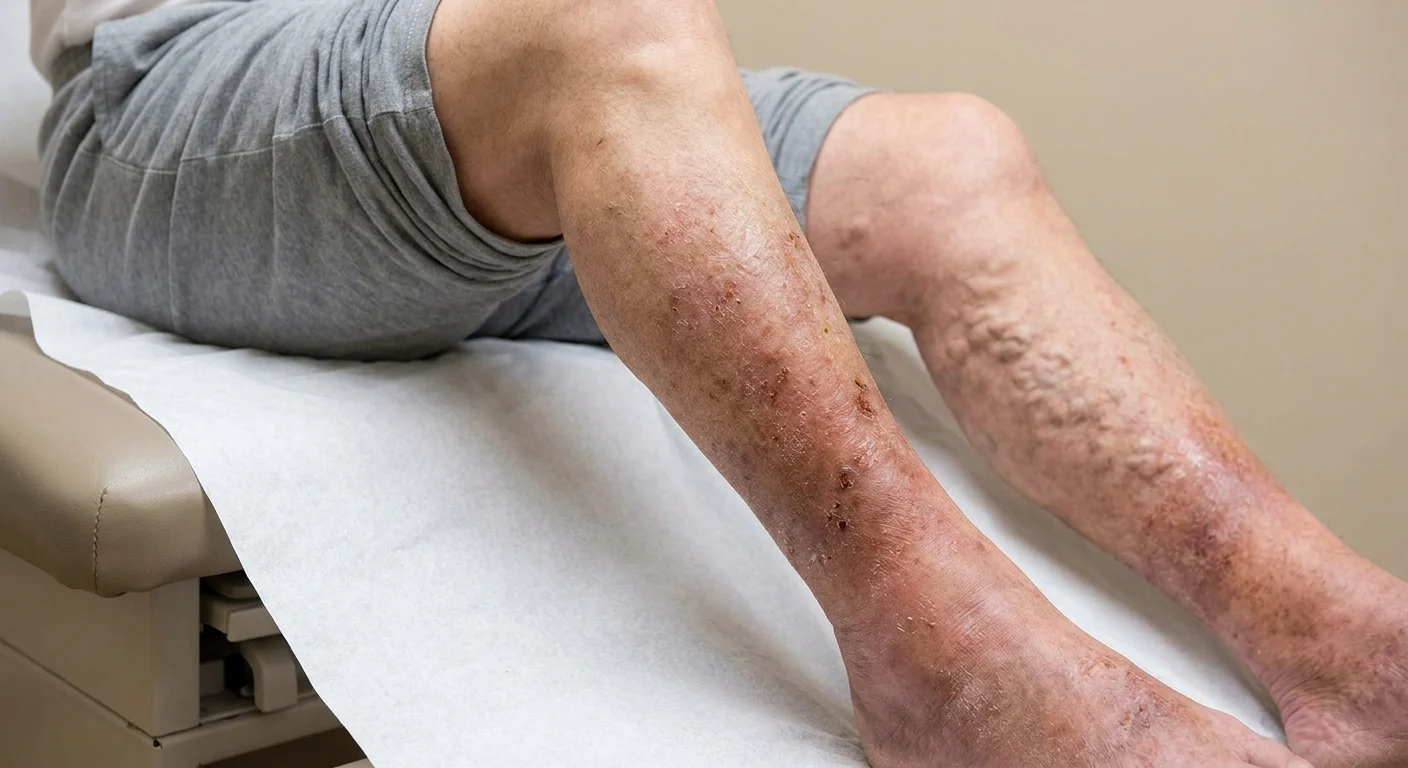
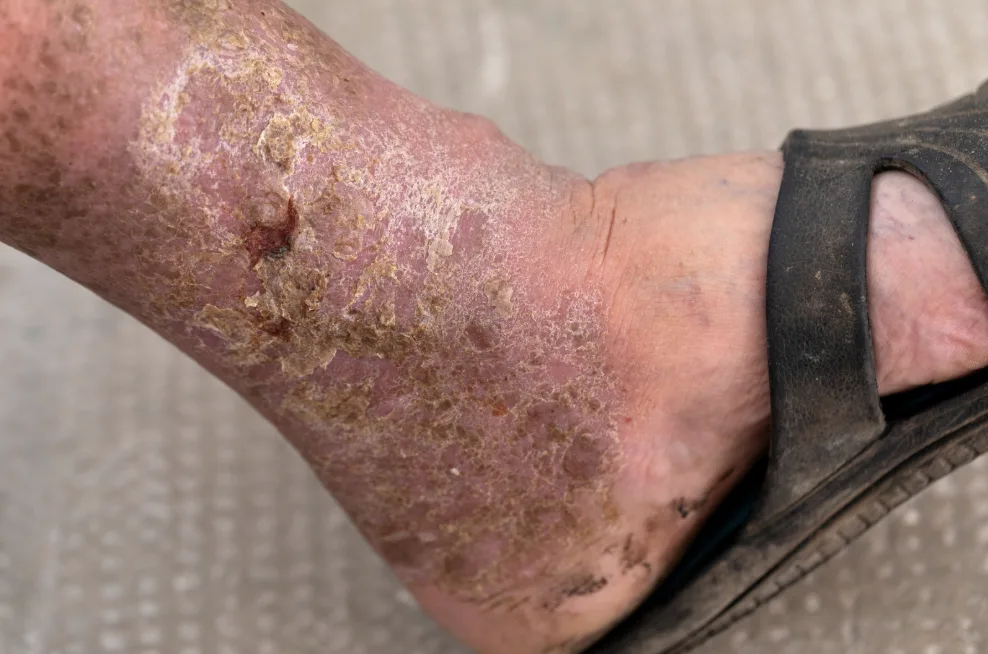
The skin around the ankle becomes stained, thickened and fragile, until a minor knock or scratch opens into a wound that struggles to close. Ulceration is the most advanced stage of chronic venous disease, and our guide to chronic venous insufficiency explains how the earlier stages build up.
How to Tell a Venous Ulcer From an Arterial Ulcer
They need different care, so telling them apart comes first:
- Venous ulcers usually sit in the gaiter area, the band of skin between the ankle and lower calf, often on the inner side
- They tend to be shallow with uneven edges, and the surrounding skin is often brown, itchy or hardened
- The leg may feel heavy or swollen, especially by evening
- Arterial ulcers are more often on the toes, heel or outer foot, look deeper and “punched out”, and come with cold, pale skin and pain that worsens when the leg is raised
How Long Does a Venous Ulcer Take to Heal?
Healing times vary quite a bit from person to person. Small, recent ulcers may heal within weeks, while larger or long-standing ones can take many months. A Singapore study across two tertiary hospitals found that 73% of venous leg ulcers had healed by 24 weeks, with an average healing time of 49 days.
Ulcers that stall usually do so because the pressure that caused them is still there. Other factors a specialist will check for include:
- Reduced arterial blood flow, which also changes whether compression is safe
- Diabetes, smoking or poor nutrition
- Infection in the wound or surrounding skin
- Swelling that is not being controlled
An ulcer that has not improved after several weeks of good care, or does not follow the typical venous pattern, should be reviewed to rule out less common causes.
How a Vascular Specialist Assesses a Venous Ulcer
During a vascular evaluation at our Singapore clinic, the first step is confirming the ulcer is truly venous. An ankle-brachial pressure index (ABPI), a simple comparison of blood pressure at the ankle and the arm, checks that arterial supply is adequate before strong compression is used.
A duplex ultrasound vein screening then maps which veins are refluxing, whether in the superficial veins such as the great or small saphenous vein, the deep veins, or both. That map decides which treatment can close off the source of the pressure.
Does Treating the Vein Help a Venous Ulcer Heal Faster?
Yes, when superficial vein reflux is present. Treating it early, alongside compression, helps ulcers heal faster than compression alone, so vein treatment is now considered early rather than after the wound closes.
The EVRA randomised trial, published in the New England Journal of Medicine, followed 450 patients with venous leg ulcers across 20 UK centres. Those who had vein ablation within two weeks healed faster and spent more time ulcer-free over the following year than those whose vein treatment was deferred.
Minimally Invasive Ways to Close the Faulty Vein
- Radiofrequency ablation uses controlled heat, delivered through a thin catheter, to seal the vein from the inside
- Endovenous laser ablation (EVLA) works in a similar way using laser energy
- VenaSeal closes the vein with a medical adhesive and often needs no tumescent anaesthesia
- Ultrasound-guided foam sclerotherapy can reach smaller refluxing veins running close to the ulcer bed
These are usually day procedures done under local anaesthesia through a needle puncture, with walking encouraged afterwards. As with any procedure there are risks, including bruising, discomfort, temporary skin staining, nerve irritation and, uncommonly, a clot in a deep vein. Treatment may not suit people with blocked deep veins, poor arterial supply or limited mobility, which the assessment checks.
When clinically indicated, treatment for symptomatic venous disease is generally claimable under Medisave and Integrated Shield Plans, subject to MOH claim limits.
Why Compression Still Matters
Compression remains the foundation of ulcer care, even when the vein is treated. Multilayer bandaging helps blood return upwards and reduces swelling around the wound, and is usually changed weekly, or more often if the wound is weeping.
Once the ulcer has healed, graduated compression stockings take over. In Singapore’s heat, getting the right fit and compression class matters more than wearing the tightest pair available.
Can a Venous Ulcer Come Back After It Heals?
It can, especially if the underlying reflux has not been treated. Healed skin in the gaiter area stays fragile, and the same pressure that opened the first wound can open a new one.
Treating the faulty vein lowers this risk. In the ESCHAR trial, patients who had their superficial reflux corrected with surgery alongside compression had a 12-month recurrence rate of 12%, compared with 28% for compression alone.
When a Venous Ulcer Needs Urgent Attention
See a doctor promptly if you notice:
- Spreading redness, heat or increasing pain around the wound
- Fever or feeling generally unwell
- A foul smell or a sudden increase in discharge
- Bleeding from the ulcer or a nearby vein
For bleeding from fragile veins near the ankle, our article on bleeding varicose veins covers the first-aid steps.
Healing the Wound by Treating the Cause
A venous ulcer is the skin’s response to years of pressure from faulty veins, so lasting healing depends on treating both the wound and its source.
If you or a family member has a leg wound that has been slow to heal, book a vascular assessment at Vascular & Interventional Centre. The specialist team can confirm whether vein reflux is the cause and plan treatment alongside your wound care.