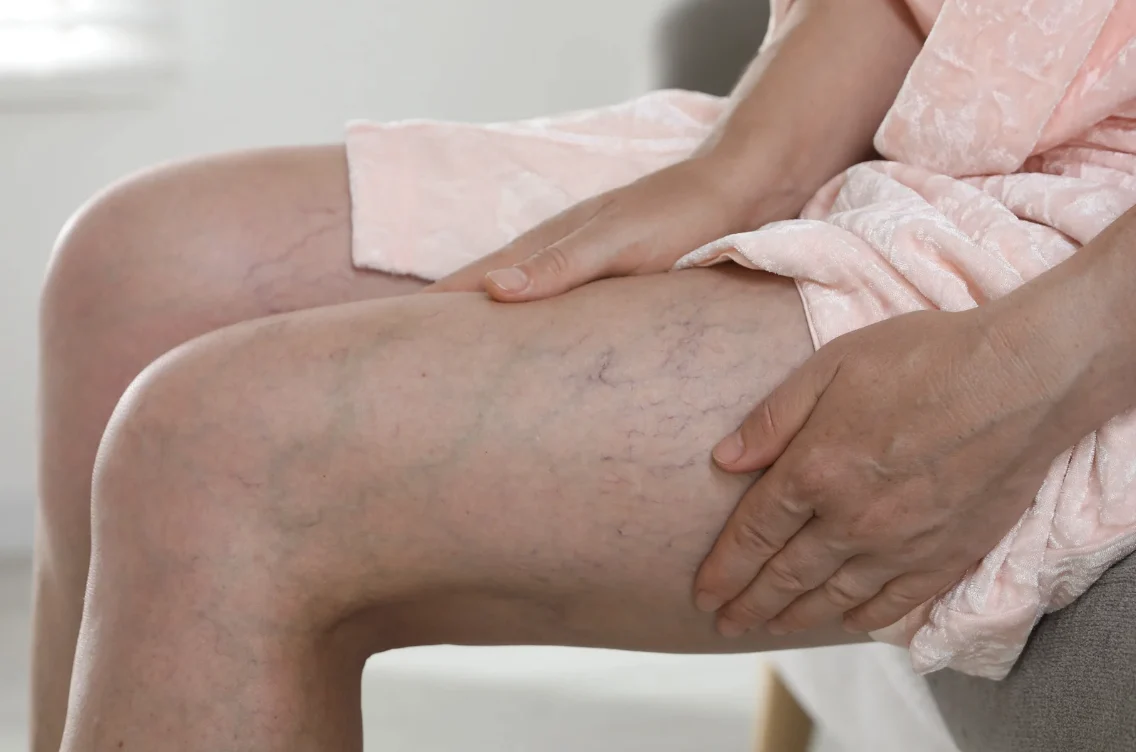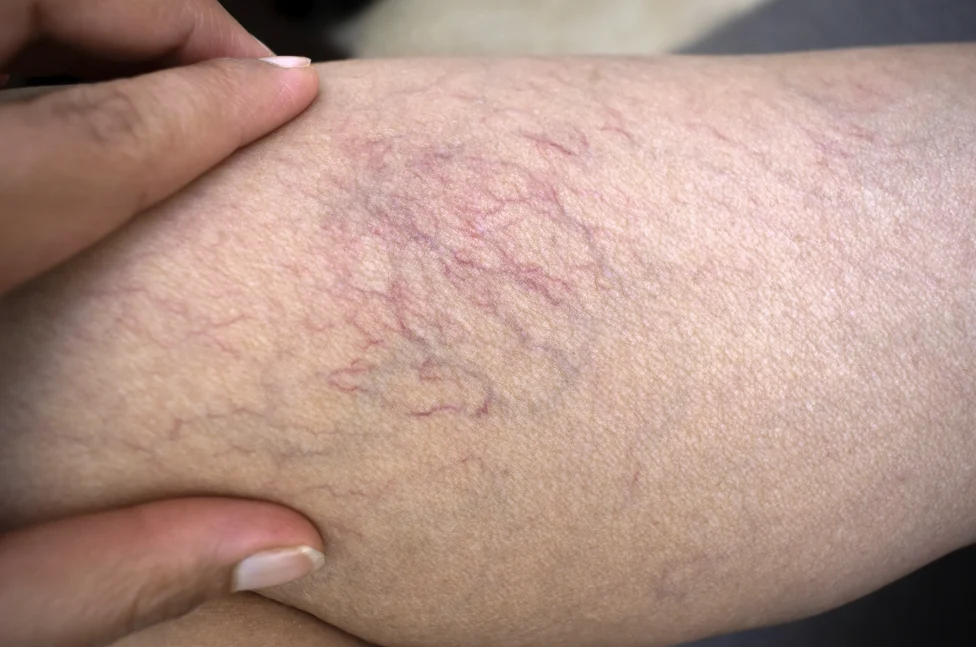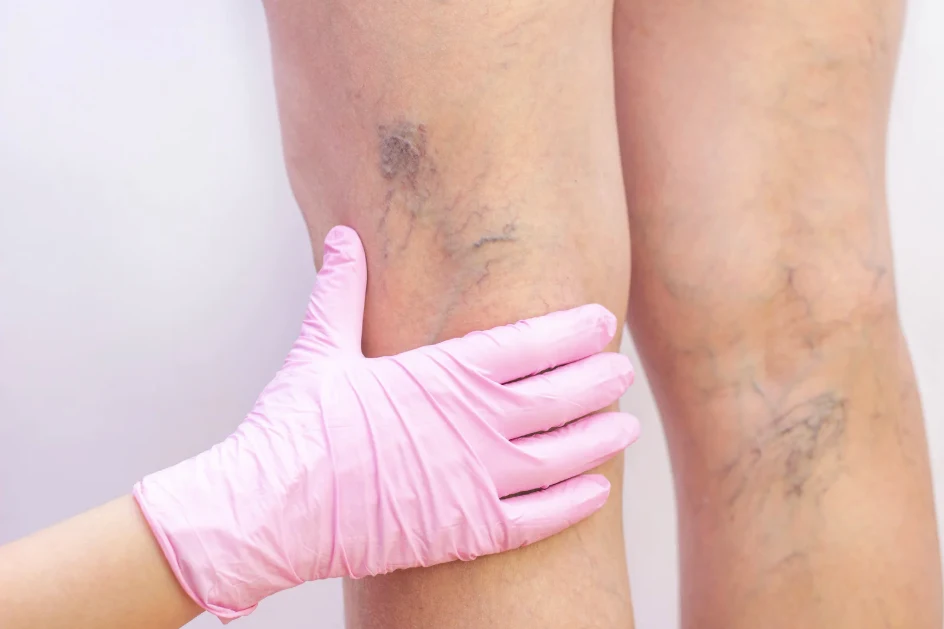
If your legs frequently feel heavy and sore after a long day at the hawker centre, or if you’re seeing twisty purple veins on your calves, it’s not just from being tired. These are common signs that your lower limb circulation might require medical attention. Exploring options like varicose vein surgery or minimally invasive therapies in Singapore can help you address the discomfort and properly manage your vein health.
What is Vascular Surgery in Singapore?
Vascular surgery in Singapore mean getting a specialist to check out your veins, figure out where the leaks or blockages are, and fix them. They handle pretty much everything to do with your blood flow except for your heart and brain, using anything from quick laser treatments to actual surgery.
Is There a Difference Between a Vascular Doctor and a Vascular Surgeon?
A vascular doctor generally focuses on non-invasive diagnosis, risk modification, and lifestyle-based management. Conversely, a fully qualified vascular surgeon offers the complete spectrum of care. They manage everything from conservative medical therapy to minimally invasive endovascular treatments and traditional open surgeries, depending on what your specific condition requires.
Traditional Open Surgery vs. Modern Keyhole Endovascular Procedures
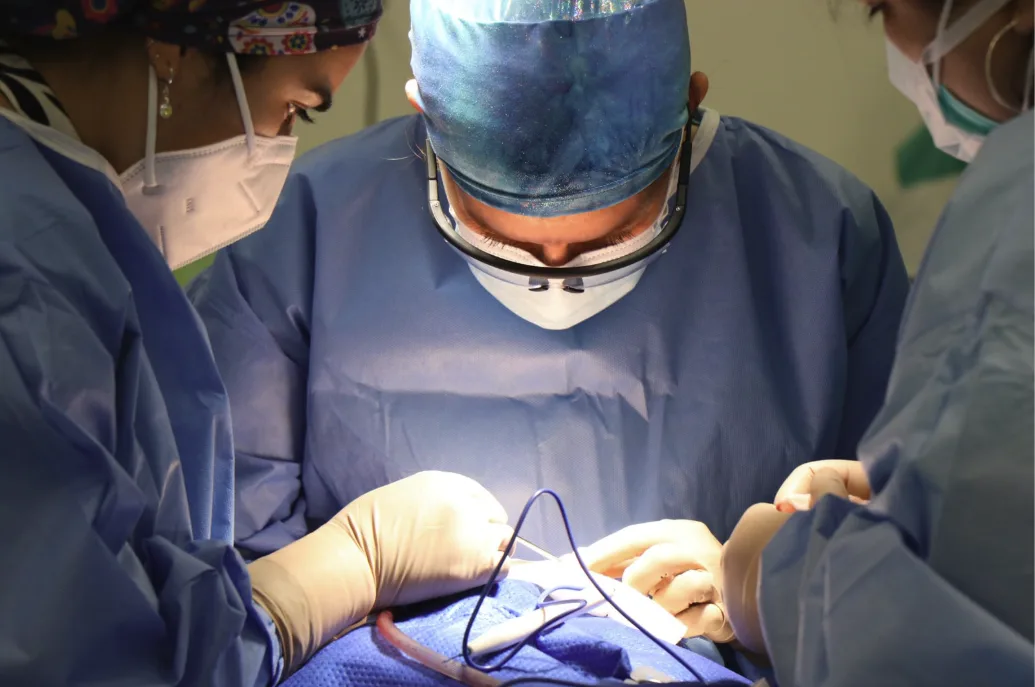
Clinical care has shifted away from large, painful incisions. Modern endovascular surgery Singapore practices heavily utilise advanced keyhole techniques. Specialists use local anaesthesia, tiny needle punctures, and micro-catheters to repair damaged vessels from the inside, which translates to minimal discomfort and a much faster return to daily life.
What to Expect During a Vascular Surgery Consultation?
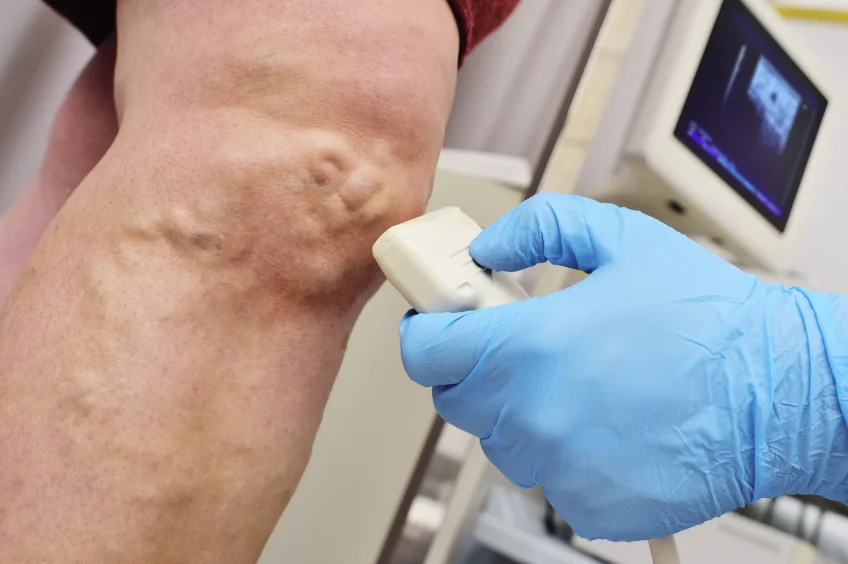
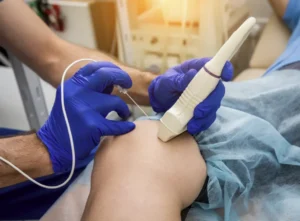
Your initial appointment is entirely straightforward. Expect a physical examination alongside a non-invasive Duplex Ultrasound scan. This painless imaging test creates a live map of your blood flow, helping the specialist pinpoint damaged valves or arterial narrowings right there in the clinic.
Who is Vascular Surgery For?
Vascular treatments cater to individuals experiencing poor circulation, chronic lower limb swelling, or slow-healing wounds, alongside patients facing sudden, acute arterial blockages.
Identifying the Early Warning Signs of Vascular Conditions
Circulatory issues can manifest through several everyday symptoms. You might want to consider an expert evaluation if you notice:
- Persistent heavy aching or throbbing in the lower limbs that worsens by evening
- Unexplained leg swelling, known as edema, or skin tightening
- Restless legs that consistently disrupt your sleep patterns
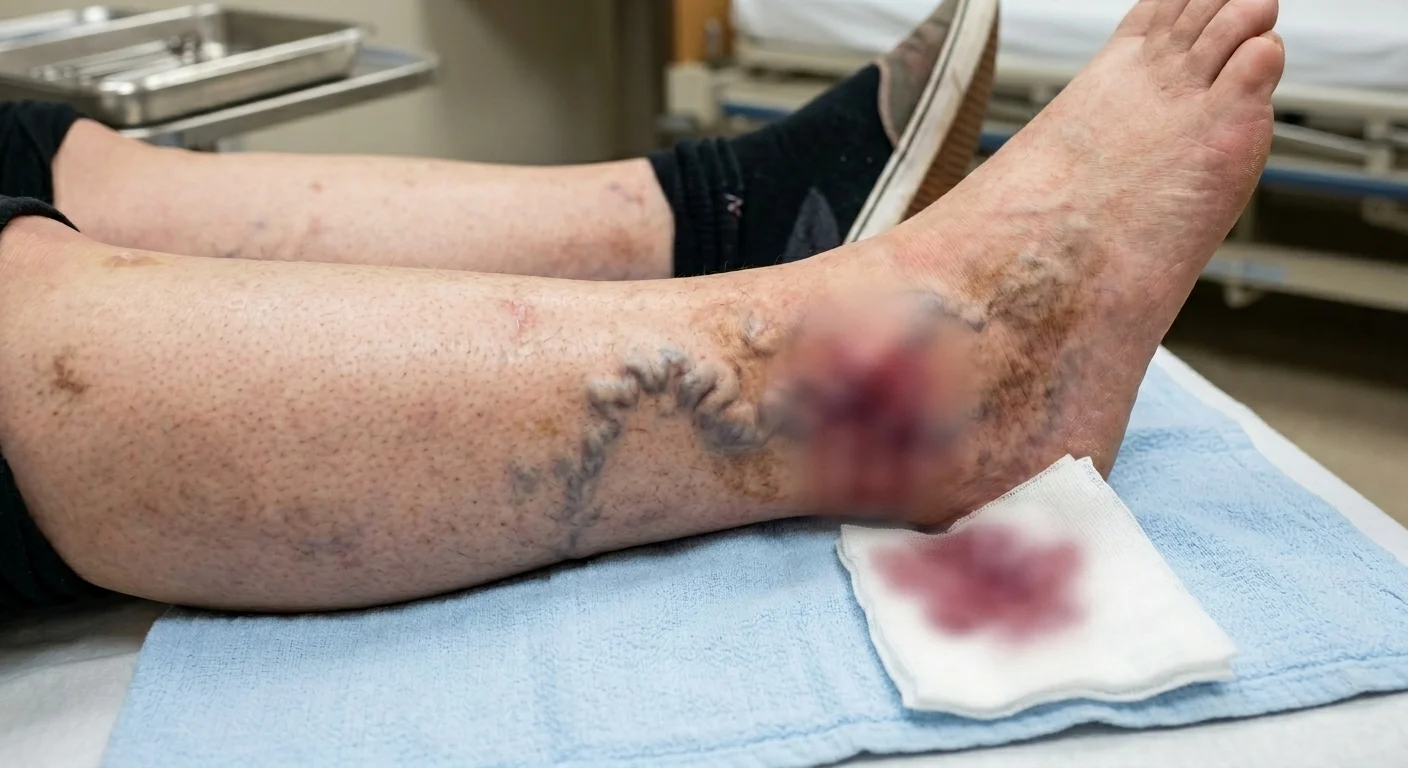
- Slow-healing skin sores or dark ulcers forming near the ankles
Understanding the “6 P’s” of Acute Vascular Issues
For sudden arterial blockages, clinical teams look out for six key warning signs that require immediate medical attention:
- Pain: Sudden, severe onset in the affected limb
- Pallor: The skin appears unusually pale, ghostly, or mottled
- Pulselessness: A weak or entirely undetectable pulse in the extremity
- Paresthesia: A prickling, pins and needles sensation or sudden numbness
- Paralysis: Extreme difficulty or an inability to move the limb normally
- Poikilothermia: The limb feels ice-cold because the blood flow cannot regulate temperature
What Conditions Need Vascular Surgery in Singapore?
Conditions requiring specialist vascular intervention include chronic venous insufficiency, deep vein blood clots, peripheral arterial blockages, and complex aortic aneurysms.
Venous Diseases: Varicose Veins and Deep Vein Thrombosis (DVT)
When tiny internal valves within your leg veins weaken, blood struggles to flow efficiently back up to the heart. It pools instead, resulting in chronic venous insufficiency and visible, twisting varicose veins. Vascular specialists also treat deep vein thrombosis, where a blood clot forms in deep veins, creating a potential medical emergency if left unmanaged.
Arterial Diseases: Peripheral Arterial Disease (PAD) and Aneurysms
Plaque buildup narrows the vessels, reducing oxygen delivery to your legs. This condition, peripheral arterial disease Singapore, can cause pain while walking and lead to diabetic foot ulcers. Vascular specialists also repair aneurysms, which are dangerous bulges in blood vessels, using advanced internal stenting options like EVAR or TEVAR.
Kidney Dialysis Access Management
For patients undergoing kidney dialysis, a vascular surgeon plays an essential role. They create and maintain arteriovenous (AV) fistulas or grafts, ensuring a safe, sustainable pathway for routine blood filtration.
What Are the Treatments for Varicose Veins in Singapore?
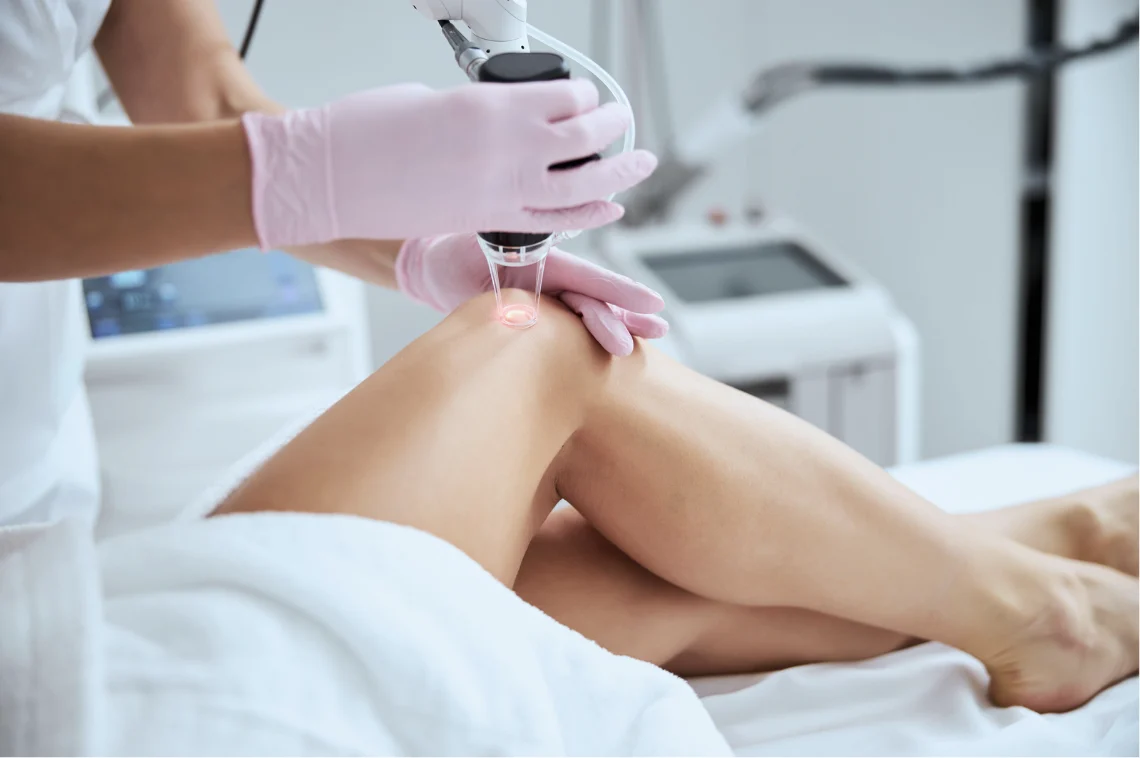
Modern varicose veins treatment Singapore options focus on closing faulty vessels using gentle heat, medical adhesives, or targeted micro-injections on a convenient outpatient basis.
Minimally Invasive Endovenous Therapy
Patients can choose between two popular walk-in, walk-out procedures:
- Radiofrequency Ablation (RFA): Uses controlled thermal energy via a tiny catheter to collapse and seal off the damaged vein.
- Medical-grade vein glue treatment: An advanced, heat-free alternative that seals the vein using a medical-grade adhesive, completely avoiding multiple local anaesthetic injections along the leg.
Sclerotherapy for Surface Veins
For smaller reticular vessels and spider veins, specialists use sclerotherapy. A fine needle introduces a liquid sclerosant solution directly into the vein, causing it to shrink, close, and eventually disappear.
Can Vascular Problems Be Treated Without Major Surgery?
Yes, the vast majority can. Well over 90% of venous conditions are addressed via walk-in, walk-out outpatient options. These procedures are performed comfortably in a clinic treatment room rather than a major hospital operating theatre.
What to Expect: Post-Surgery, Risks, Complications, and Recovery
Recovery from modern vascular procedures is typically fast, with most vein treatments requiring zero hospital stays and carrying minimal daily disruption.
Is Vascular Surgery Complicated or Considered Major Surgery?
Complexity depends entirely on the specific blood vessel involved. Major operations like aortic repairs carry a longer recovery path, whereas routine varicose vein therapies are light, low-risk outpatient procedures.
The Recovery Timeline: How Long Do You Stay in the Hospital?
For modern endovenous therapies, there is no hospital stay. Patients walk out the same day and resume light duties. Conversely, complex arterial bypasses might require a hospital stay of 3 to 7 days for observation.
Managing Potential Risks and Long-Term Success Rates
While minor bruising or temporary numbness can occur, severe complications like deep infections are rare. A dedicated clinic team provides clear post-care instructions to protect your long-term success.
Public Hospitals vs. Private Clinics: A Direct Comparison
Choosing between a public hospital and a private clinic involves weighing appointment wait times, continuity of medical staff, and care environments.
| Feature / Consideration | Public Hospitals | Private Clinic (Vascular & Interventional Centre) |
| Appointment Wait Time | Can take several weeks or months for non-urgent cases. | Often accommodated within 24 to 48 hours. |
| Doctor Consistency | Rotating medical officers or registrars across visits. | Managed directly by the same senior specialist throughout. |
| Treatment Environment | Large hospital wards; potentially longer discharge steps. | Dedicated day-surgery suites built for walk-in convenience. |
| Financing & Insurance | Subsidised rates available via polyclinic referral pathways. | Direct coordination with major integrated shield plans. |
Frequently Asked Questions About Vein Health
What is the Main Difference Between Spider Veins and Varicose Veins?
Spider veins are tiny, web-like red or blue vessels sitting just under the skin surface. They are usually cosmetic. Varicose veins are thick, bulging, and rope-like, indicating deeper valve failure.
Do Spider Veins Require Full Vascular Surgery?
Not at all. Spider veins never require a major operation. They clear up comfortably using fast, office-based options like micro-sclerotherapy.
How Do You Clear Plaque Buildup in Arteries Naturally?
Mild arterial plaque can be stabilised naturally through lifestyle adjustments, such as stopping smoking, adopting a Mediterranean diet, and exercising. However, advanced blockages usually need clinical intervention like angioplasty.
Why Choose Vascular & Interventional Centre for Vascular Surgery in Singapore?
At the Vascular & Interventional Centre Singapore, we provide hyper-focused, minimally invasive circulatory care tailored entirely around patient comfort and rapid recovery. Unlike general surgical practices, our dedicated medical team concentrates exclusively on vein and arterial therapies, ensuring deep, specialised expertise in the latest vein preservation methods. To minimise your stress, our patient-first care pathway streamlines everything from on-site diagnostic ultrasounds to insurance paperwork management.
Schedule your consultation with a varicose veins specialist in Singapore today to explore your treatment options.
Published on: 23 July 2026