Published on: 24 August 2026
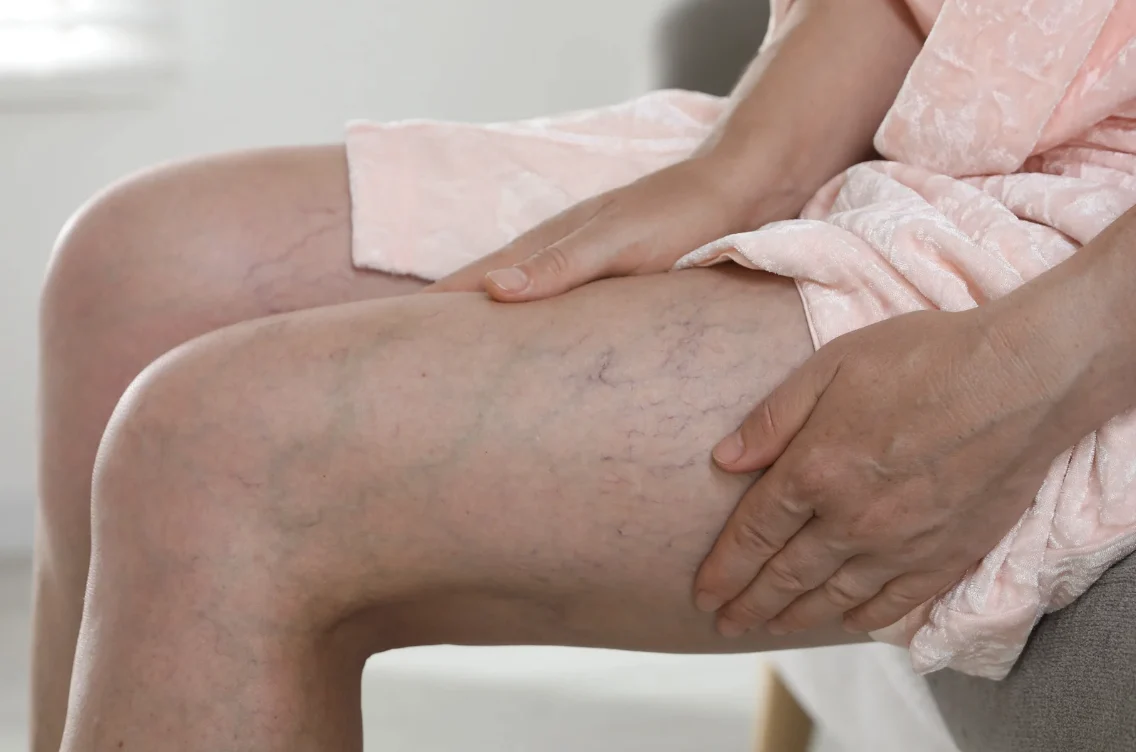
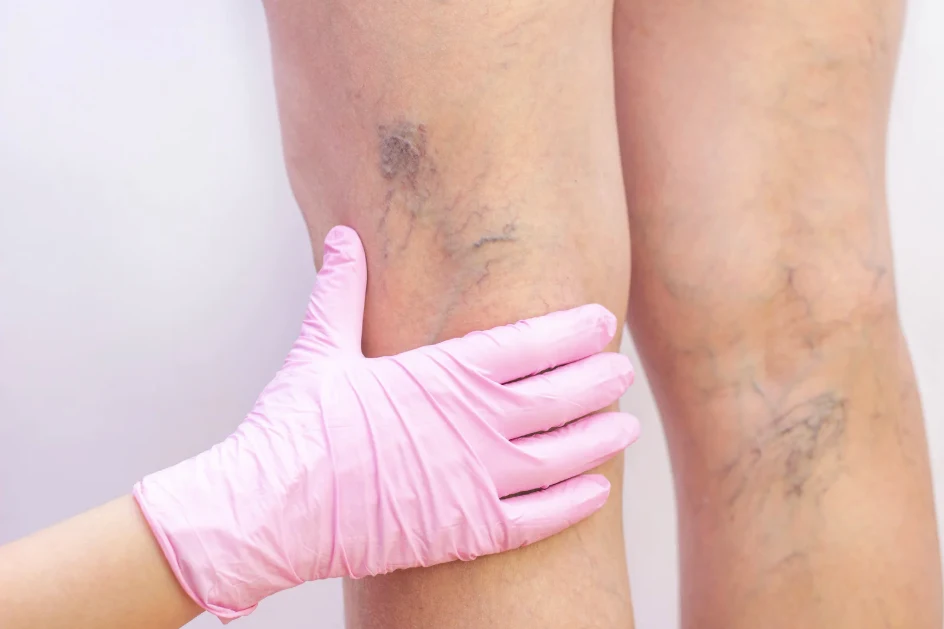
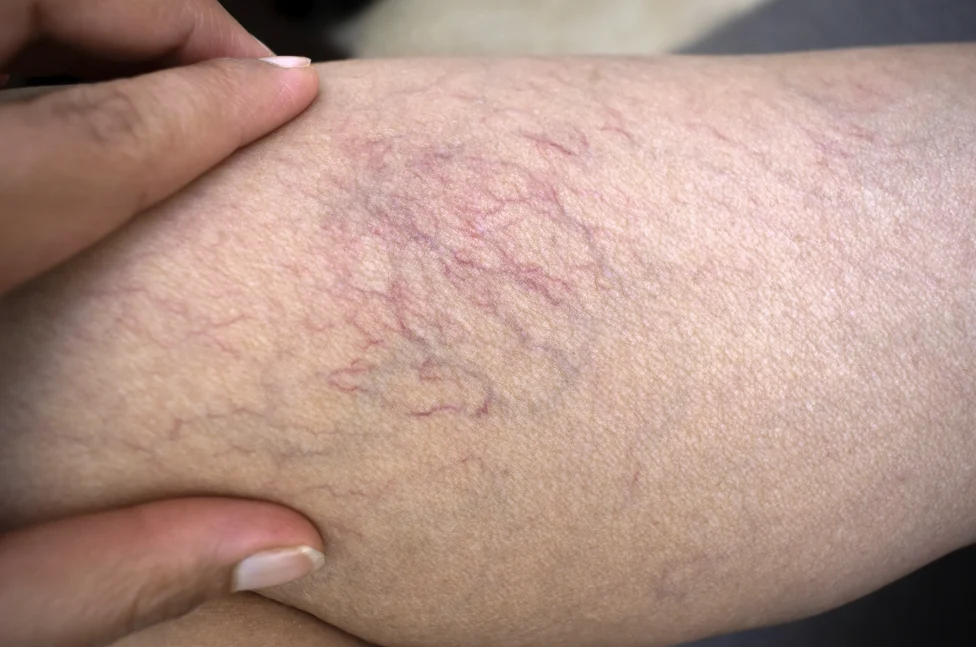
Noticing fine red or purple web-like lines on your legs can be unexpected, but it is a very common condition. Medically known as telangiectasias, these superficial marks are often viewed as a simple cosmetic concern. However, because they can sometimes be tied to your underlying leg circulation, it is often helpful to have them properly assessed. By consulting a medical professional about spider veins treatment singapore, you can safely explore options designed to address both the appearance of your skin and your overall vein health.
Key Takeaways
- Spider veins stem from weakened capillary valves that allow blood to pool rather than simply being a result of thin skin.
- These veins frequently represent the initial stage of chronic venous insufficiency, which can advance to more severe medical conditions if not properly monitored.
- Effective medical solutions include targeted micro-sclerotherapy as well as advanced approaches like CLaCS therapy, which combines transdermal lasers, targeted injections, and active skin cooling.
- Spider vein treatment costs in Singapore vary by procedure type, starting with initial specialist screening ($150) or full consultation ($200) plus diagnostic ultrasound ($150). Per-leg surgeon’s fees typically range from $1,900 to $4,300 for micro-sclerotherapy (usually 1 session), $500 to $1,500 for laser therapy (3 to 5 sessions), and $800 to $1,500 for combined CLaCS therapy (1 to 3 sessions).
What is the Root Cause of Spider Veins and Why Do They Appear?
Spider veins become visible when tiny, superficial blood vessels near the surface of the skin expand. While this visibility is directly tied to how our circulation functions, a combination of everyday habits, physical pressures, and biological factors ultimately determines when and why they develop.
The Physiological Cause of Spider Veins
Rather than being a simple matter of having “thin skin,” these visible lines occur when tiny valves inside your capillaries struggle to keep blood moving in one direction. As blood pools in these delicate vessels, they expand and show through the skin, a process that is best evaluated by a medical professional to ensure your circulation is healthy.
Key Triggers for Vein Development on the Legs
Visible veins on the legs are often triggered by factors that increase pressure in your lower body. Prolonged periods of standing or sitting, especially during long office hours, force your legs to work much harder to pump blood upward. Other factors like weight fluctuations, hormonal changes, and a sedentary lifestyle can also place extra strain on your circulatory system.
Why Gender and Lifestyle Factors Make Women More Susceptible
Natural hormonal shifts can make women more susceptible, as oestrogen naturally relaxes the walls of your veins, making it easier for blood to pool. Pregnancy also plays a significant role due to increased blood volume and pelvic pressure. Identifying these changes early allows you to manage your vascular health proactively before more vessels become affected.
Spider Veins vs. Varicose Veins: How They Intersect
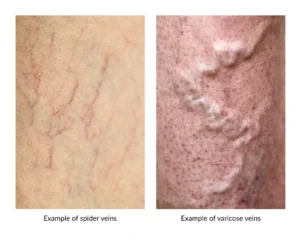
While spider veins and varicose veins may look different, they are closely connected parts of the same circulatory system. Understanding that stretched veins cannot shrink back on their own, why treating underlying issues like venous reflux is key to preventing recurrence, and how even advanced vein changes remain highly manageable is essential for finding lasting relief.
Natural Regression and Permanent Vein Stretching
Once a delicate vein wall expands enough to become visible on the skin’s surface, it generally does not regain the elasticity needed to shrink back down on its own. Because these visible veins rarely fade without assistance, professional clinical treatments are typically required for those who wish to clear them.
Treatment and Addressing Underlying Venous Reflux
Addressing only the surface veins without evaluating the deeper circulation may not provide lasting results. By mapping and treating any underlying venous reflux, medical professionals can address the root cause to help prevent new veins from becoming visible, offering a more effective and sustainable solution.
Clinical Management Across All Stages of Venous Disease
Venous insufficiency is classified clinically using the CEAP system (Stages C0 to C6). Understanding where you sit on this scale helps prevent long-term complications:
- Stage C0: No visible or palpable signs of vascular disease, though legs may feel heavy or tired.
- Stage C1: Appearance of spider veins (telangiectasias) or fine, purplish reticular veins.
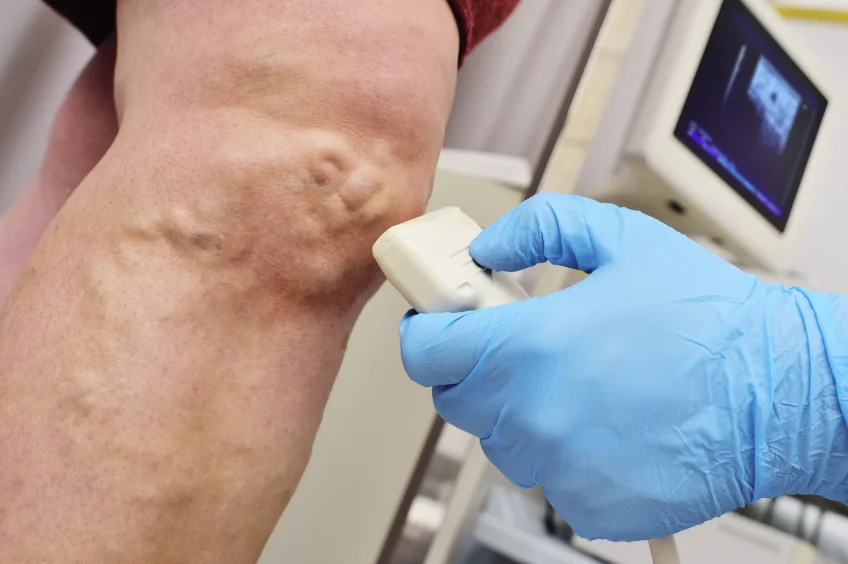
- Stage C2: Visible, bulging, and rope-like varicose veins.
- Stage C3: Persistent swelling (oedema) in the lower legs and ankles.
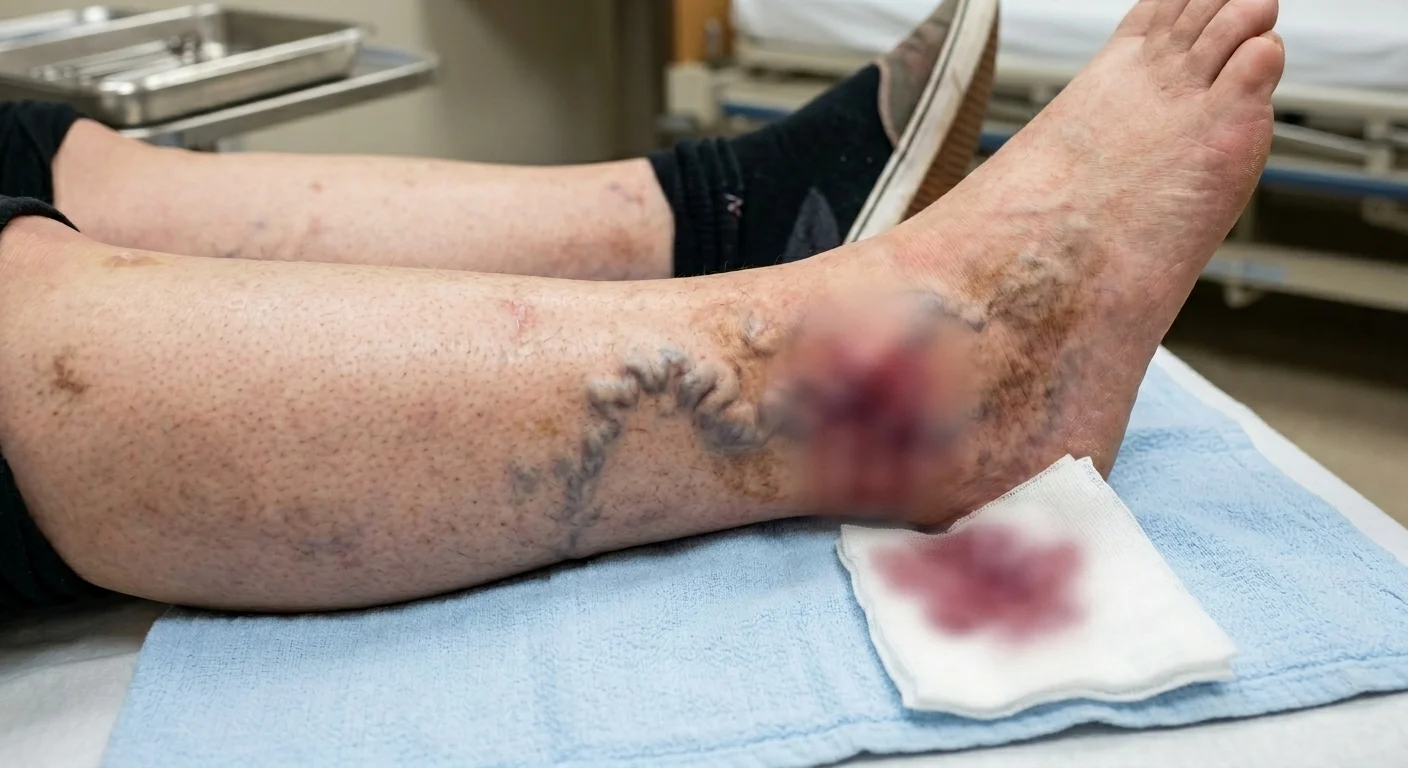
- Stage C4: Structural skin changes, including brown hyperpigmentation, eczema, or hardened skin tissue.
- Stage C5: Healed venous ulcers that have closed up but left delicate scarring.
- Stage C6: Open, active venous ulcers that require urgent clinical wound care.
While transitioning to advanced stages like Stage C4 or C6 can feel alarming, the progression is entirely manageable when the root vascular issue is addressed early.
Clinical Approaches to Spider Vein Treatment in Singapore
Selecting the most appropriate treatment plan begins with a thorough clinical assessment and diagnostic mapping of your lower-limb circulation. Below are the primary medical methods utilised to safely address compromised surface vessels and support your vascular health.
Determining the Most Appropriate Method for Your Specific Case
In vascular care, treatment is never one-size-fits-all. The most suitable option depends on the precise location, depth, and size of the affected veins, meaning a personalised treatment plan is essential for achieving the most effective and safe outcome for your legs.
Micro-Sclerotherapy for Targeted Leg Vein Closure
This method involves injecting a specialised sclerosant solution into the targeted vessel, which closes the vein so that your body can naturally reabsorb it over time. Combining this procedure with a diagnostic ultrasound helps medical professionals evaluate the deeper venous system, ensuring that any underlying feeding veins are also identified and addressed during your care.
Laser Therapy and Cryo-Laser Cryo-Sclerotherapy (CLaCS)
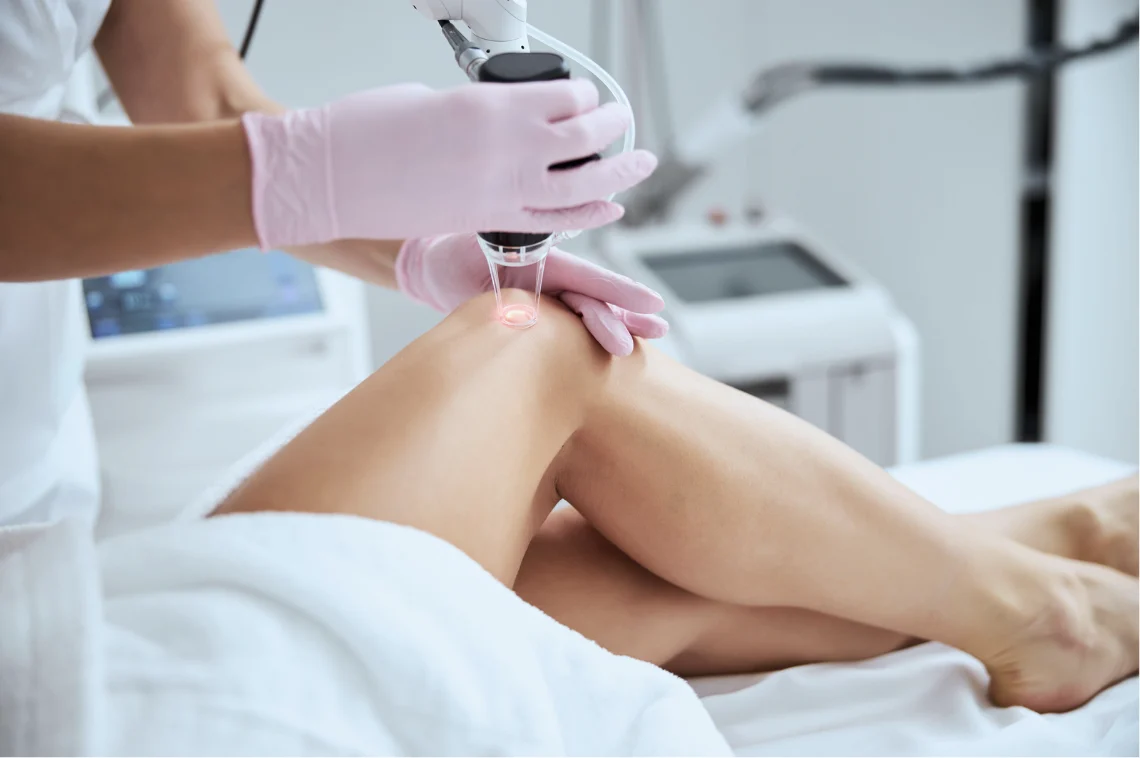
For fine vein clusters, superficial blue or green veins, and facial vessels where micro-injections may not be ideal, laser therapy offers a non-invasive treatment option. This method uses targeted light energy to heat and close the tiny vessels through the skin.
For persistent or more complex vein networks, Cryo-Laser Cryo-Sclerotherapy (CLaCS) is an alternative treatment option. This approach combines multiple modalities:
- Transdermal Laser Energy: Used to target and constrict the superficial spider veins.
- Sclerotherapy Injections: Administered to address the deeper feeding veins during the same session.
- Cryotherapy: Cold air blown onto the skin to temporarily numb the treatment area, helping to manage and reduce procedural discomfort.
Because of how this combined approach is structured, patients can typically resume their usual daily activities shortly after the session. Depending on your individual clinical assessment, the post-treatment requirement for compression stockings may also be reduced.
Understanding Treatment Fees: Cost of Spider Vein Removal in Singapore
Treatment costs in Singapore depend on the chosen modality, severity, and required sessions. Here is an overview of standard clinical costs and Ministry of Health (MOH) surgeon’s fee benchmarks per leg:
| Treatment / Consultation Component | Estimated Cost Range (SGD) | Typical Sessions / Notes |
| Initial Specialist Consultation | $200 | Includes physical exam and plan |
| In-Clinic Vascular Duplex Ultrasound | From $150 | Checks for deeper underlying reflux |
| Sclerotherapy (Surgeon’s Fee) | $1,900 to $4,300 per leg | Typically 1 session |
| Laser Treatment (Surgeon’s Fee) | $500 to $1,500 per leg | 3 to 5 sessions |
| CLaCS Therapy (Surgeon’s Fee) | $800 to $1,500 per leg | 1 to 3 sessions |
For a detailed breakdown of procedure fees, imaging, and potential claimables, explore our complete guide on spider veins treatment cost in Singapore.
Post-Treatment Care: Understanding Recovery and Potential Risks
Understanding what to expect after your procedure helps you manage your recovery safely and realistically. For most individuals, the healing process is gradual and manageable, allowing for a smooth return to daily activities when accompanied by proper post-treatment care and guidance on potential side effects.
What to Expect During the Outpatient Recovery Phase
The recovery process is typically carried out on an outpatient basis, allowing you to return home shortly after your treatment.
- Immediate Mobility: You can generally resume light, daily walking right after your procedure.
- Compression Support: Your medical provider will usually advise wearing compression stockings for a temporary period to support circulation.
- Temporary Precautions: It is typically recommended to avoid strenuous lower-body exercises, heavy lifting, or hot baths for a short time to allow the treated vessels to heal properly.
Understanding Potential Side Effects and Safety Considerations
Patients may experience mild, temporary side effects after treatment, such as minor bruising, transient redness, or temporary hyperpigmentation (slight skin staining) along the path of the treated vein. While these effects typically resolve on their own, having your procedure performed by a qualified medical professional ensures that clinical safety protocols are strictly followed to minimise risks and manage your recovery safely.
Myths vs. Reality: Managing Spider Veins at Home
While online sources often suggest various home remedies for vascular issues, evaluating these methods from a scientific perspective helps clarify what they can realistically achieve. While certain lifestyle habits can support overall circulation, clinical treatments are generally required to address and clear existing visible veins.
The Limitations of Topical Remedies and Deep Massage
While topical creams and essential oils can soothe and hydrate the skin, they do not penetrate deeply enough to address or repair underlying vascular structures. Additionally, deep or vigorous massage on the legs can apply excessive pressure to delicate surface capillaries, which may lead to localised irritation rather than providing relief.
The Difference Between Aesthetic and Vascular Care Approaches
While cosmetic treatments focus primarily on the superficial appearance of the skin, a dedicated vascular approach evaluates the health of the entire circulatory network. Addressing the underlying blood flow alongside surface-level concerns provides a more comprehensive foundation, which helps to manage the condition effectively and reduce the likelihood of the veins returning.
Book Your Vein Consultation Today
Ready to explore your medical options for spider veins treatment Singapore? Visit our contact page to schedule your comprehensive ultrasound mapping and consultation today.