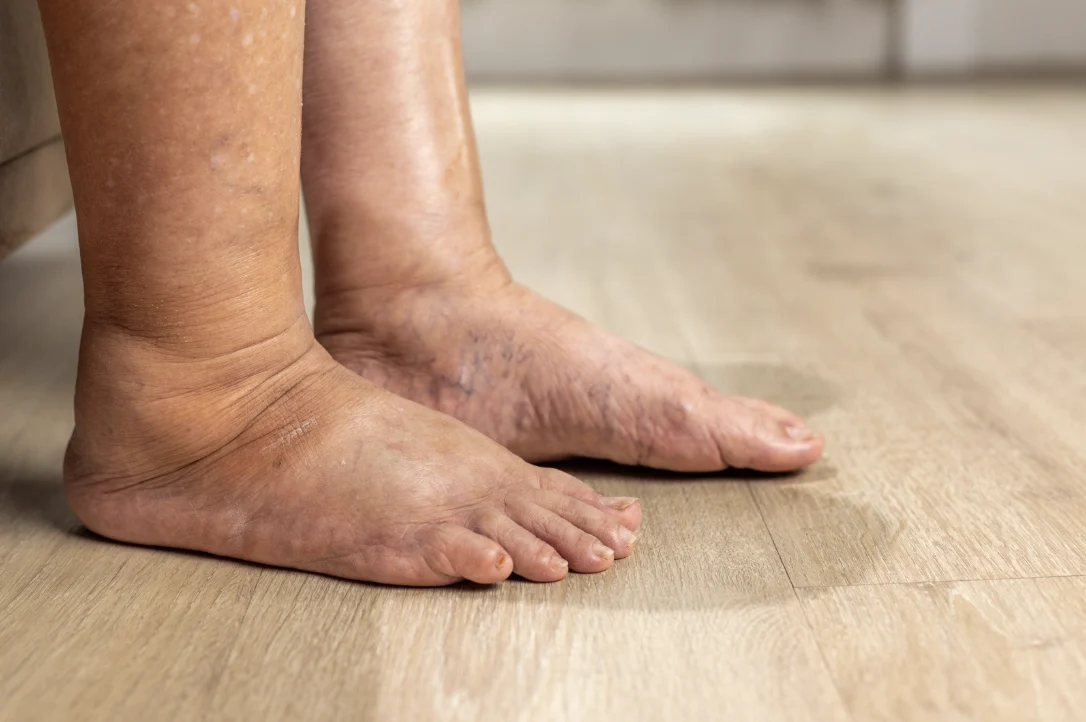
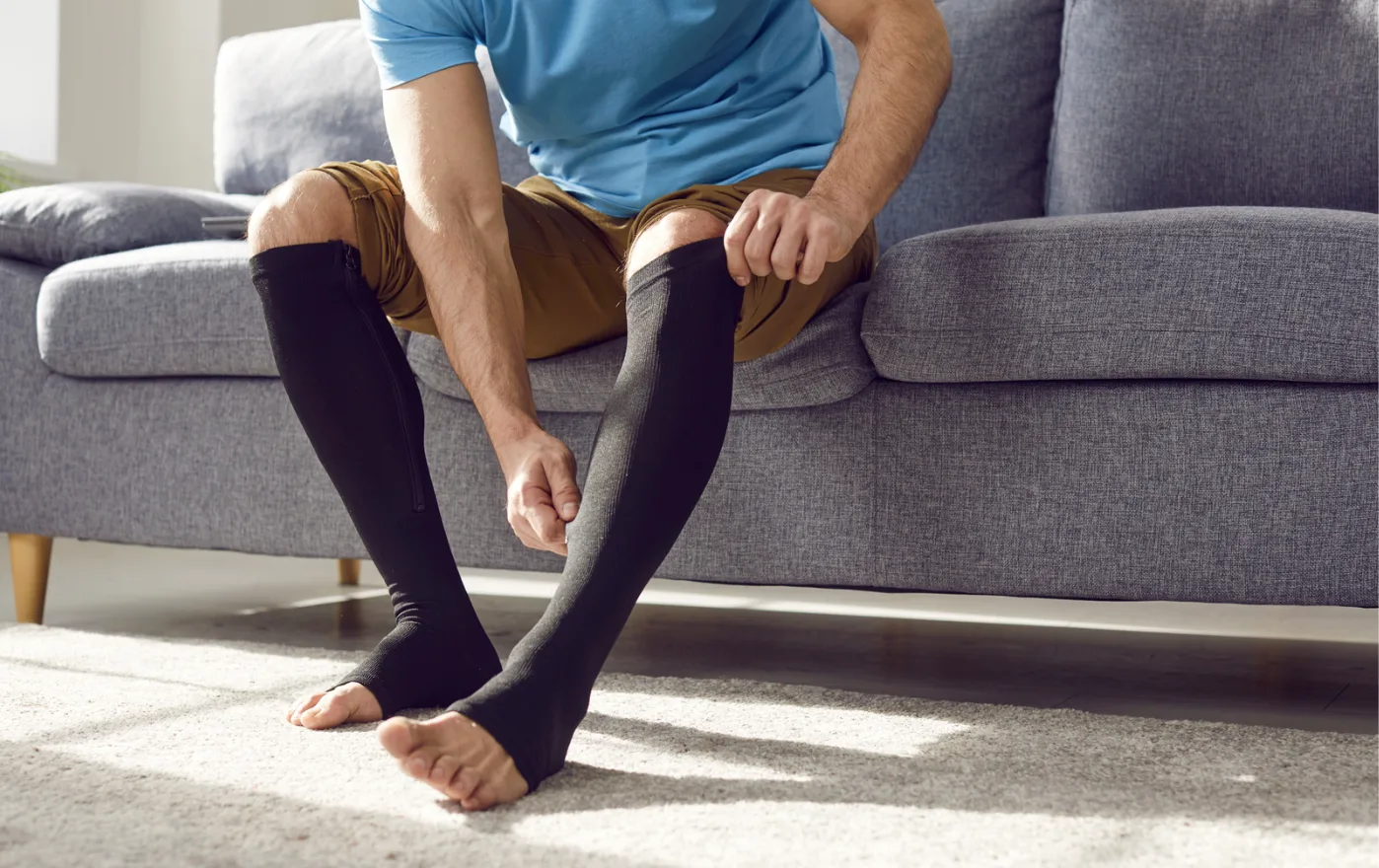
Do your legs feel unusually heavy, achy, or swollen by the end of the day? Compression socks might be the simple, effective remedy you need. These specialised garments gently squeeze your lower legs to promote better blood flow and ease discomfort. This support offers a practical way to manage daily vein health.
What Does a Compression Sock Do?
Compression socks apply gentle, graduated pressure to your legs. This physical support helps move blood back toward the heart, reducing fluid build up and preventing clots.
Types of Socks: Anti Embolism vs. Non Medical Support
While both anti-embolism stockings and non-medical support socks apply pressure to your legs to improve blood flow, they are engineered for entirely different situations and activity levels.
- Anti embolism stockings: Usually meant for bedridden patients to prevent deep vein thrombosis.
- Non medical support hose: Ideal for long flights, sports recovery, or mild daily fatigue.
- Medical grade compression: Prescribed for managing active varicose veins.
| Feature | Anti-Embolism (TED) | Non-Medical Support | Medical Grade Compression |
| User Activity | Bedridden / Immobile | Active / Standing / Sitting | Active with Venous Issues |
| Main Goal | Prevent DVT after surgery | Reduce leg ache and swelling | Improve Circulation |
| Pressure Type | Low (approx. 18 mmHg) | Mild (15-20 mmHg) | High (20-30+ mmHg) |
| Accessibility | Hospital-issued | Available at most drugstores | Specialist Prescription |
Where Does the Fluid Go When You Wear Compression Socks?
The external pressure literally pushes excess interstitial fluid out of your leg tissues. It shifts back into your lymphatic and venous systems. Your body then naturally filters it through the kidneys, eventually leaving your system as urine.
Signs You Need Compression Socks
If you experience constant leg fatigue, visible varicose veins, or ankle swelling, compression socks can provide immediate relief. They are also helpful for proactive preventative care.
Management of Varicose Veins, Spider Veins, and Leg Pain
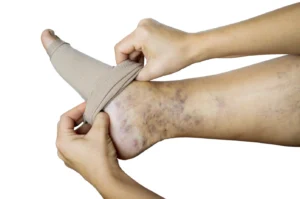
Varicose veins develop when one-way valves inside leg veins fail to close properly, causing blood to reflux and pool. This causes pressure, visible bulging, and that heavy, aching sensation many people describe after a long day on their feet.
Compression socks do not repair damaged valves, but they may help manage symptoms by:
- Temporarily reducing the diameter of superficial veins, which slows backward flow
- Decreasing fluid accumulation around the ankles and lower legs
- Relieving the sensation of heaviness and fatigue during prolonged standing
For spider veins, the benefit is largely symptomatic. The socks will not eliminate them, but they may reduce associated discomfort.
Limitations Regarding Cold Feet and Nerve Pain
Compression socks do support circulation, which may help if cold feet stem from mild venous insufficiency or generally sluggish blood flow. However, if coldness or pain originates from peripheral neuropathy (nerve damage, often associated with diabetes), compression socks are unlikely to help and could, in some cases, worsen the problem.
Wearing tight socks on feet with reduced sensation makes it difficult to detect pressure injuries early. If you have a confirmed neuropathy diagnosis, please speak with a vascular specialist before trying compression therapy.
Preventative Use During Travel, Pregnancy, and Prolonged Standing
Preventive use of mild compression socks (15–20 mmHg) is usually safe. They can help during long flights, pregnancy, or long periods of standing. Many healthcare professionals in Singapore recommend them to proactively manage swelling and leg discomfort. However, you should never wear higher medical-grade pressures without a professional fitting and clinical guidance.
How Many Hours Should You Wear Compression Socks?
Timing matters when it comes to compression therapy. Putting them on early and knowing when to take them off ensures you get the most benefit out of your garments.
Optimal Timing for Application and Removal
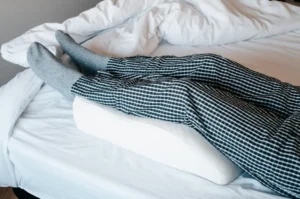
Many people suggest putting on compression socks first thing in the morning. Doing this before you get out of bed prevents gravity from causing any swelling to start. You should generally take them off right before you go to sleep at night.
Guidelines for Sleeping in Compression Garments
Unless prescribed for surgery recovery, you generally do not need to wear compression socks while sleeping. Lying flat allows your blood to flow easily without the help of gravity, so your skin can take a break from the pressure. This nightly breathing room prevents irritation and keeps your skin healthy.
Best Practices for Sedentary Office Environments
Office workers should wear them during shift hours to stop blood from pooling. It is also helpful to take short breaks to walk around. Walking boosts the natural pump action of your calf muscles. It also works with the support of the socks.
Who Should Not Wear Compression Socks?
While beneficial for many, compression therapy is not suitable for everyone. Certain medical conditions require cautious evaluation before you start wearing them.
Medical Contraindications That Restrict Use
If you have severe peripheral arterial disease (PAD), restricting blood flow further appears to be dangerous. Severe skin infections, oozing dermatitis, or fragile, easily bruised skin are also red flags. A vascular specialist may suggest alternative treatments in these cases.
The Risk of Improper Fit and Blood Clots
Properly fitted socks prevent clots. However, if they roll down and bunch up, they can act like a tourniquet. This restricts flow and might actually increase the risk of a clot forming. Ensuring the fabric stays smooth and flat against the skin is vital.
Indicators of Poor Fit or Potential Complications
Look out for warning signs that the socks are failing to help. Toe numbness, deep skin indentations that don’t fade, or increased pain suggest a bad fit. If they fit right, your legs should simply feel comfortable and supported rather than constricted.
Buying Guide: Choosing Compression Socks in Singapore
Selecting the right pair involves understanding pressure ratings and knowing where to buy them. A proper fit is essential for both safety and effectiveness.
Understanding Pressure Levels (mmHg)
- Light pressure (15-20 mmHg): Great for travel and minor swelling.
- Medium pressure (20-30 mmHg): Often used for varicose veins and moderate oedema.
- Firm pressure (30-40 mmHg): Usually requires a doctor’s recommendation for severe venous diseases and lymphoedema.
Pharmacies vs. Specialist Clinics
Over the counter options work well for mild travel needs. Medical grade stockings for serious vein issues require precise sizing. A clinic like Vascular & Interventional Centre provides accurate measurements.
Finding the Right Fit for Maximum Benefit
Always get your legs measured first thing in the morning. Guessing your size risks the dreaded tourniquet effect, completely defeating the purpose of wearing them.
Expert Tips for Wearing and Caring for Your Socks
Proper maintenance extends the life of your garments. Knowing how to put them on without tearing the fabric is equally crucial for daily use.
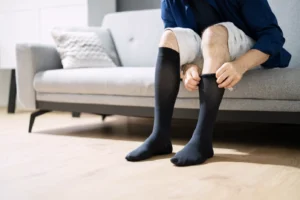
Easy Ways to Put Them On (Using a Butler Aid)
Struggling to pull them up is incredibly common. Try using a stocking butler aid. Alternatively, wear simple rubber dishwashing gloves to grip the fabric gently and smooth out stubborn creases.
Can I Wear the Same Compression Socks for 2 Days?
It is best to wash them daily. Dirt, body oils, and sweat degrade the elastic fibres quickly. Washing with mild soap helps them snap back to their original shape.
When Is It Time to Replace Your Socks?
Even with perfect care, the therapeutic stretch fades over time. Plan to replace your pairs every three to six months. If they feel loose, they are no longer doing their job.
Moving Beyond Socks: When to See a Vascular Specialist
Compression socks are a useful management tool, but they are not a cure. If your symptoms last or get worse, even when you wear them correctly, it may be time to check your veins.
Minimally Invasive Treatments at VIC
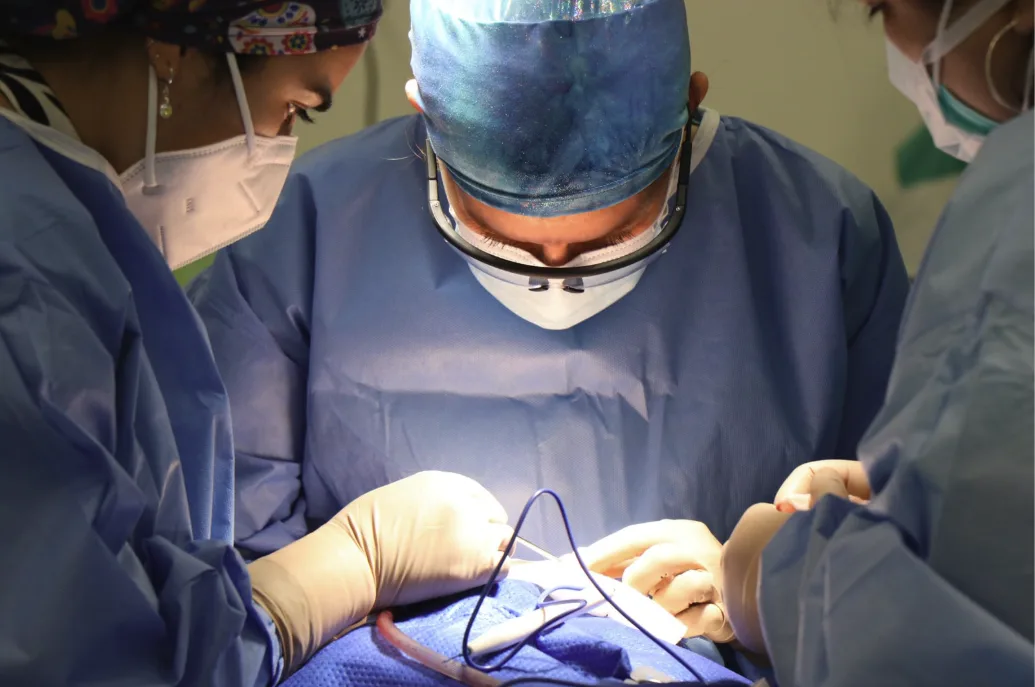
At Vascular and Interventional Centre Singapore, the clinical team offers several modern alternatives to traditional vein stripping surgery:
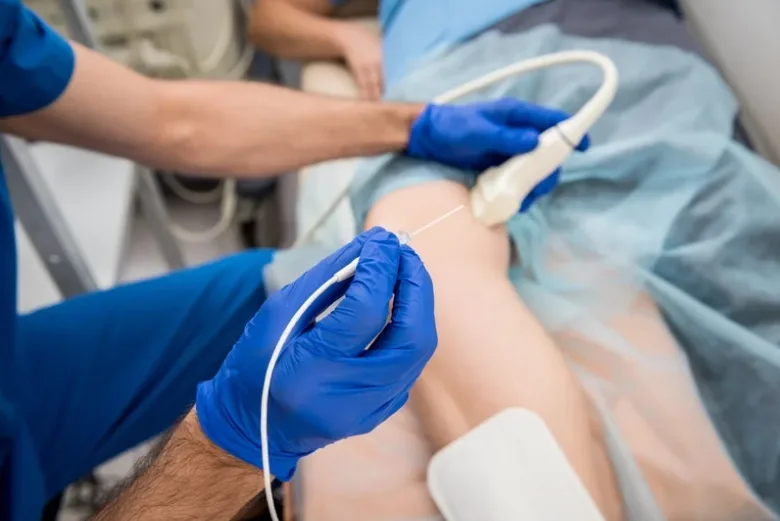
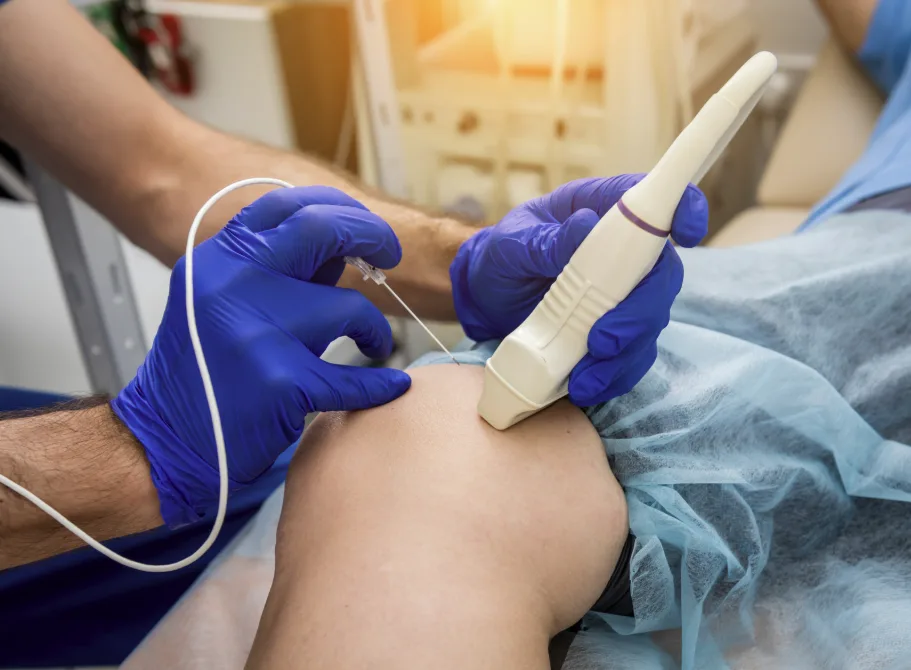
- Endovenous Laser Therapy (EVLT)/Radiofrequency Ablation (RFA): Energy is delivered via a thin catheter to close off the faulty vein from within. Typically performed as a day procedure with minimal downtime.
- VenaSeal: A medical-grade adhesive that seals the affected vein shut. It does not use heat, thus tumescent anaesthesia is not required.
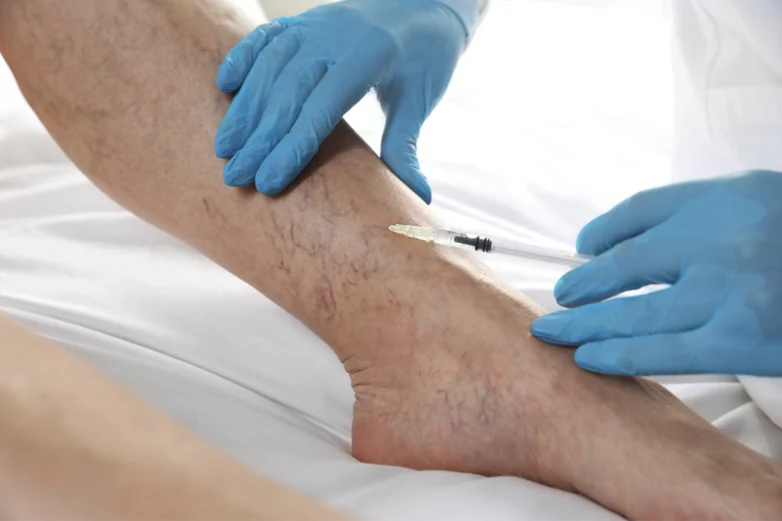
- Sclerotherapy: An injection-based treatment suitable for smaller varicose veins and spider veins.
These procedures target the root cause of venous insufficiency rather than managing its symptoms day by day.
Take the First Step Toward Lighter, Healthier Legs
Don’t let leg pain or swelling dictate your lifestyle. While compression socks are a great start, a professional evaluation can provide the permanent relief you want. Join the people who have regained their mobility and confidence through our expert care.
Schedule Your Vascular Consultation Today.