Published on: 24 August 2026
Do your legs feel heavy or tired after standing for long periods, or have you noticed fine, web-like lines appearing around your ankles?
It is common to confuse these two conditions. While they share a similar origin in the circulatory system, the distinction between spider veins and varicose veins is important, as it determines whether your symptoms are primarily cosmetic or require medical evaluation. Consulting a qualified medical professional can help you understand these vascular changes and identify the most appropriate management plan for your health and comfort.
A Quick Summary
When comparing spider veins vs varicose veins, people often assume they are the same issue at different stages. However, they present differently and require distinct clinical approaches.
| Feature | Spider Veins | Varicose Veins |
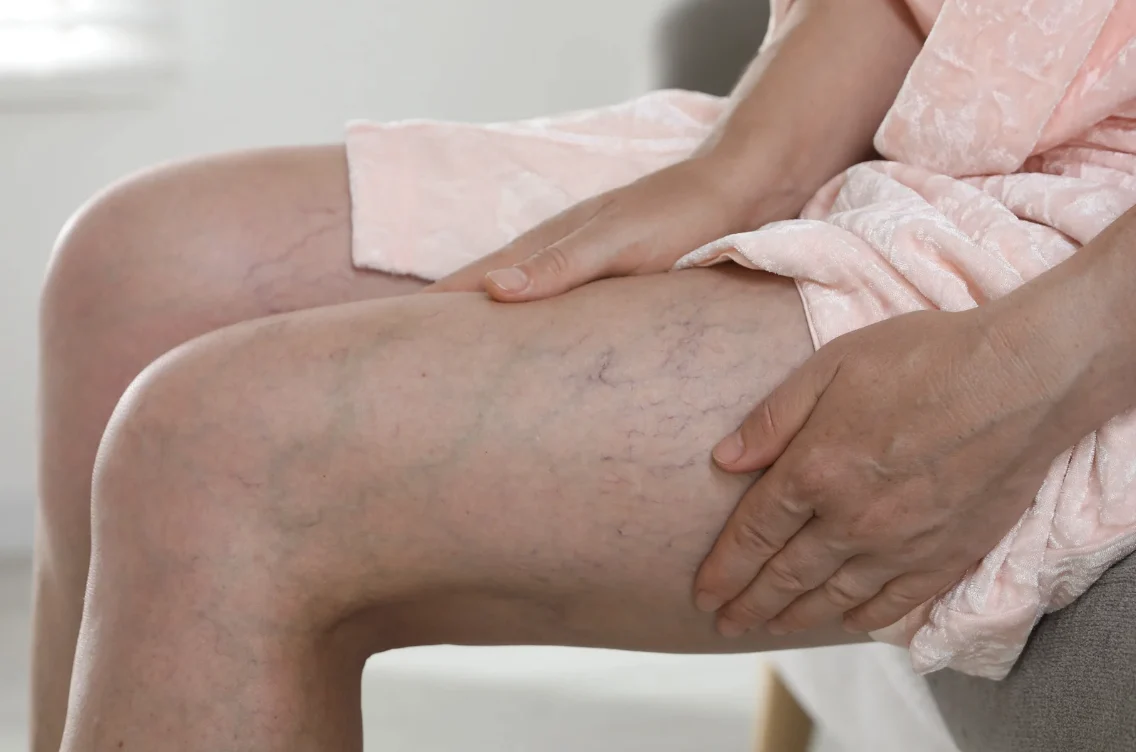
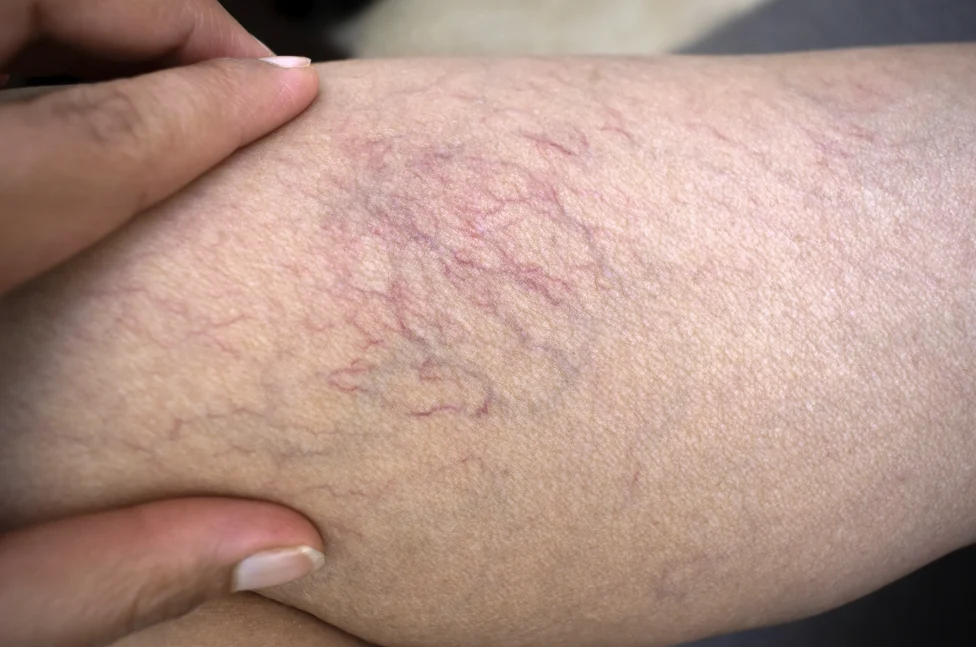
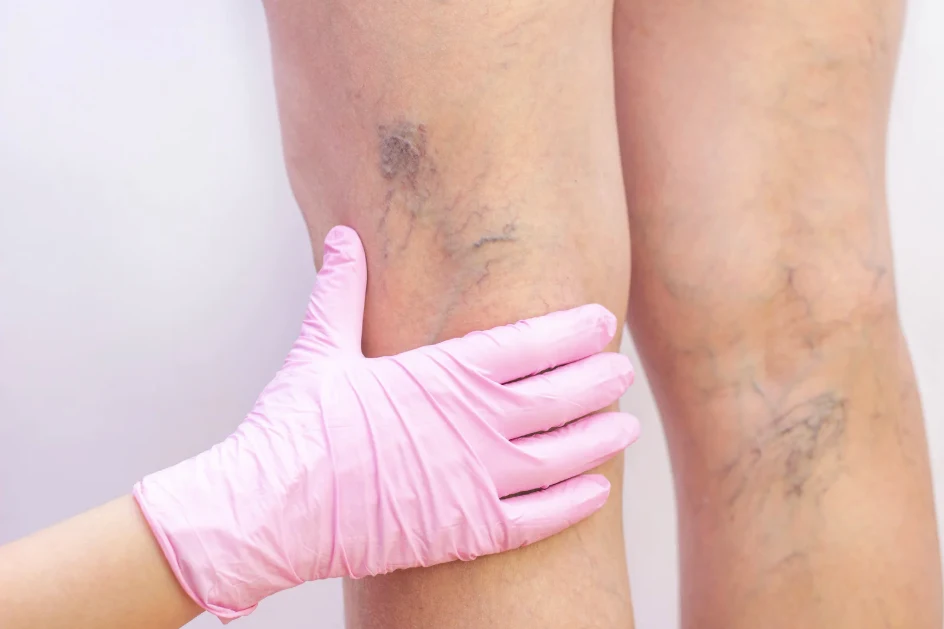
| Appearance | Flat, tiny (under 1mm), red or blue web patterns | Swollen, bulging (over 3mm), twisted cords |
| Location | Legs, ankles, or face | Lower legs and feet |
| Symptoms | Mostly painless but can cause mild pain | Heavy aching, swelling, or night cramps |
| Severity | Cosmetic concern | Progressive medical condition |
| Insurance | Seldom covered (cosmetic) | Often claimable (Medisave or Shield Plans) |
Why Do Vein Valves Fail?
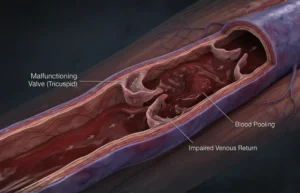
Vein valves fail when they weaken and stop closing properly, letting gravity pull blood back downward instead of toward the heart. Healthy veins have tiny, one-way valves that push blood upward. When these valves weaken, blood pools in the lower vessels instead, stretching the vein walls. This backward flow, called reflux, makes the vessels dilate and eventually show through the skin. Spider veins and varicose veins are two visible results of the same underlying process, just at different points on the same vein.
Can Spider Veins Turn Into Varicose Veins?
Spider veins don’t physically transform into larger, bulging varicose veins. But because both conditions share the same underlying mechanism of compromised blood flow (venous insufficiency), having multiple spider veins can sometimes mean deeper, larger veins are under increased pressure too. A clinical evaluation can help determine if there is an underlying circulatory issue that needs to be addressed.
What Causes Vein Valves to Weaken?
Several biological factors and daily habits contribute:
- Family history. Genetics play a notable role. If close family members have had venous issues, you have a higher statistical chance of developing them too.
- Hormonal factors. Natural hormonal shifts during pregnancy or menopause can temporarily affect the elasticity of blood vessel walls. Certain hormonal medications can contribute to valve inefficiency over time as well.
- Extended standing. Staying in one position for long periods increases gravitational pressure on the veins in your lower legs, placing more demand on the one-way valves.
- Prolonged sitting. Sitting for hours limits the calf muscles’ natural contracting action, which normally helps pump blood back toward the heart.
- Reduced movement. A lack of regular activity can lead to localised blood pooling, which may strain the vessel walls over time.
How Vein Conditions Are Diagnosed
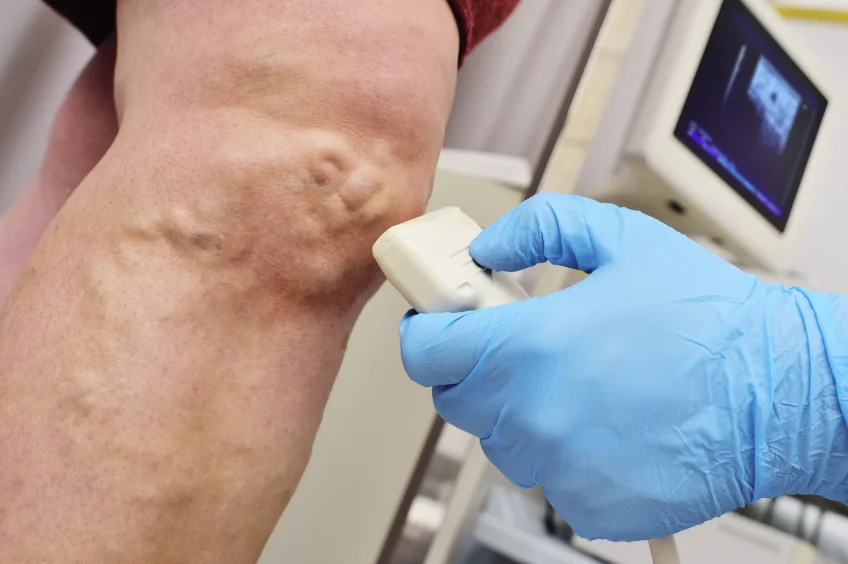
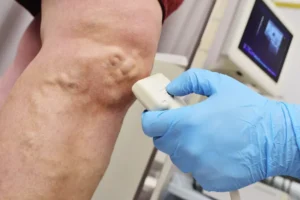
A visual exam alone can’t confirm whether spider veins or varicose veins point to an underlying circulatory issue. A duplex ultrasound maps blood flow in real time and identifies exactly where valves aren’t working properly, which is what determines the right treatment plan.
Treatment Options: Cosmetic vs. Medical Necessity
Which treatment makes sense depends on whether your veins are a cosmetic concern or a progressive medical issue.
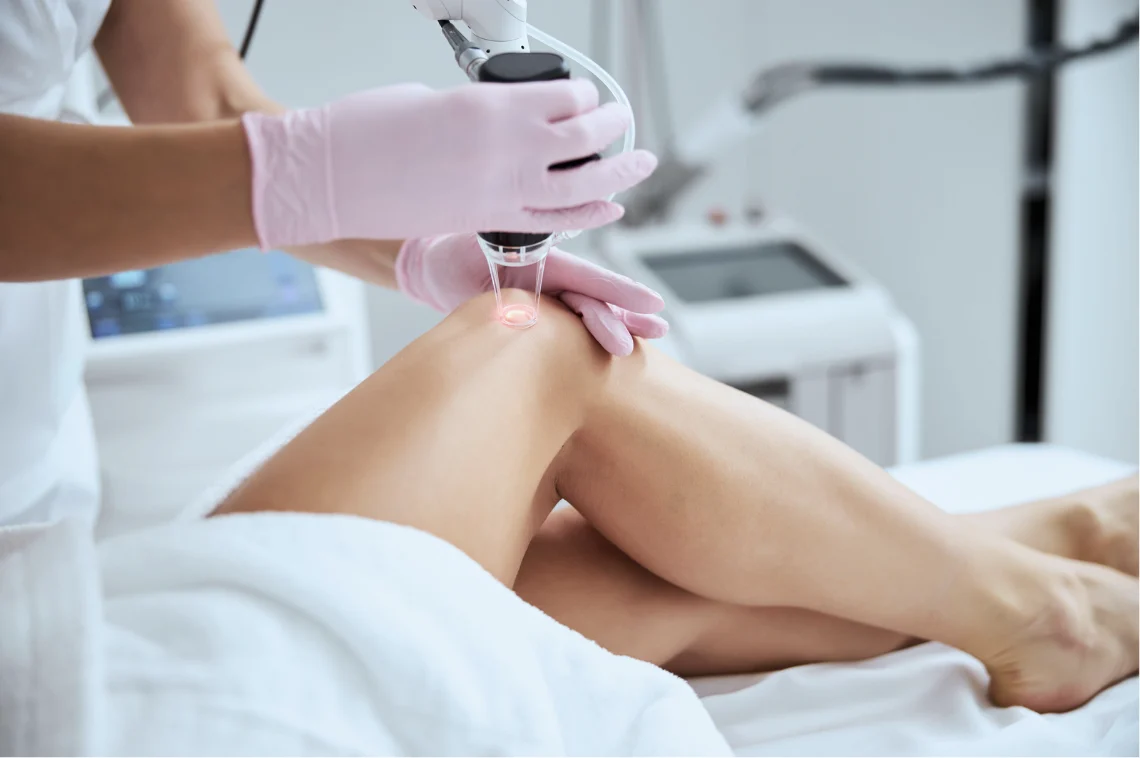
For spider veins, sclerotherapy is the standard option. A specialised solution is injected into the vein, sealing it shut so the body gradually reabsorbs it. It’s an outpatient procedure with a quick return to normal activity.
For varicose veins, minimally invasive procedures have largely replaced traditional vein stripping surgery. Radiofrequency ablation (RFA) uses controlled thermal energy to seal the affected vein, while medical adhesive closure (VenaSeal) uses a medical-grade adhesive to do the same. Both are outpatient procedures under local anaesthesia, and most patients resume light activity shortly after.
Is Vein Treatment Covered by Insurance or Medisave in Singapore?
Purely cosmetic treatments like sclerotherapy are usually paid separately. However, if an ultrasound shows that your varicose veins are causing medical symptoms (such as swelling or pain), your treatment is likely to be covered. Most Singapore Integrated Shield Plans and Medisave can be utilised for these essential procedures.
Book Your Vein Consultation Today
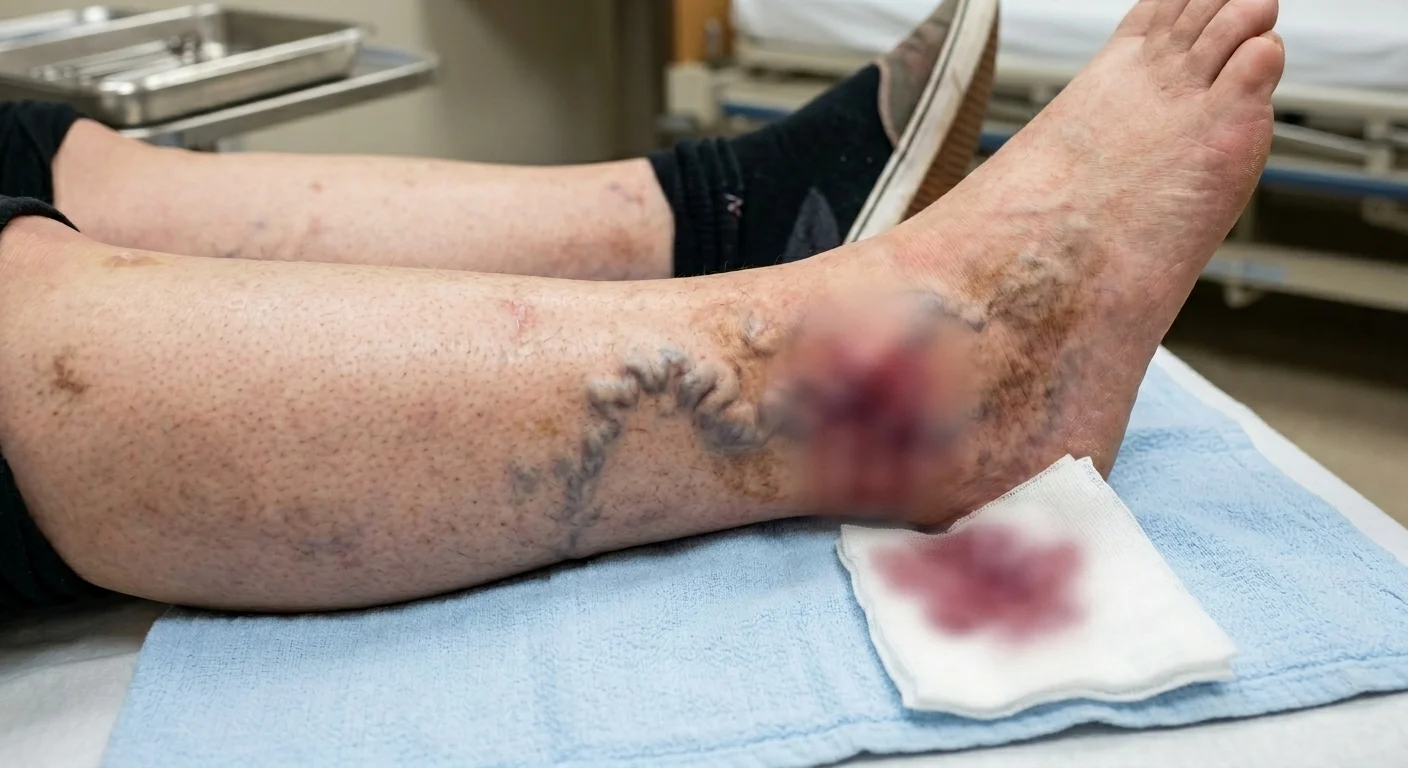
Addressing your symptoms early with experienced vein specialists helps protect your long-term circulatory health. Our medical team at the Vascular & Interventional Centre provides comprehensive vein care tailored to your daily lifestyle. Leaving varicose veins untreated can lead to skin thickening or ulcers.
If you’re not sure which condition you have, a duplex ultrasound can confirm it in a single visit. Book a varicose veins screening to get a clear diagnosis and a treatment plan suited to your condition.