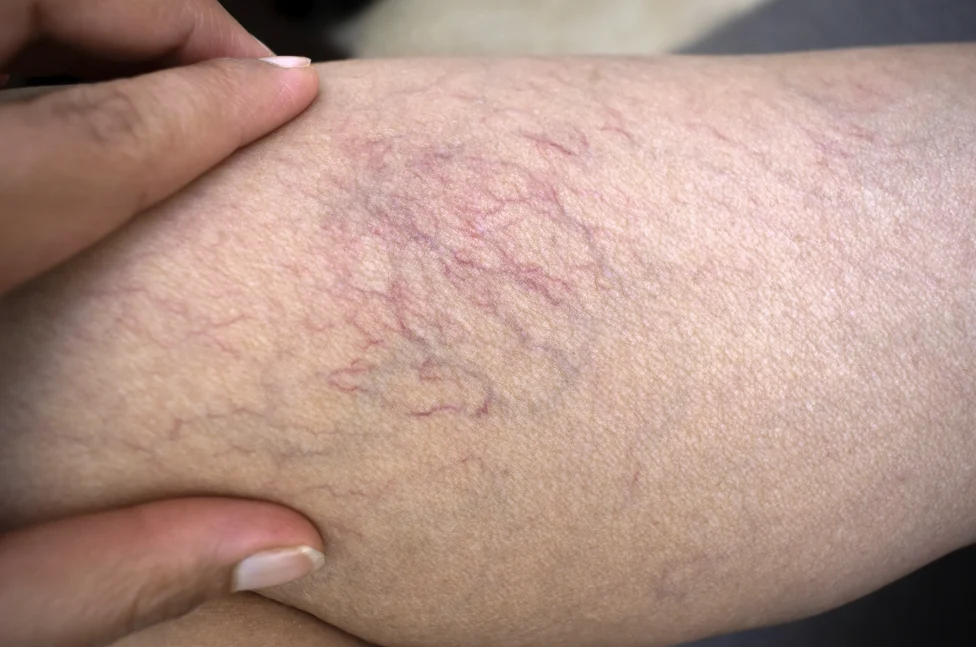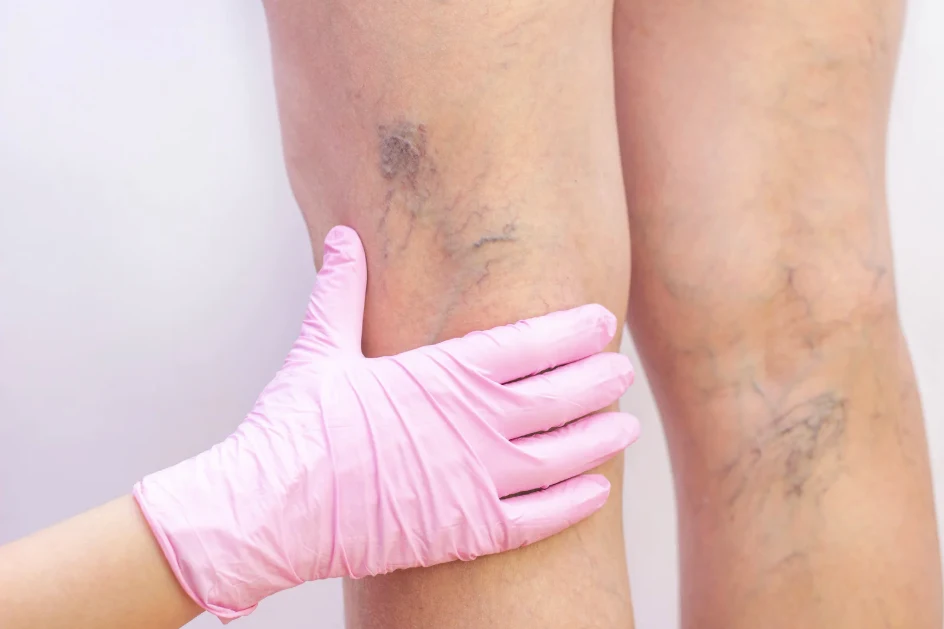
Radiofrequency Ablation (RFA) in Singapore is a safe, minimally invasive day surgery that uses targeted thermal heat to close off malfunctioning veins. Performed under local anaesthesia in 30 to 90 minutes, it offers a long-term vein closure rate exceeding 90% with minimal downtime, allowing patients to walk out of the clinic and return home the same day.
Are your legs aching or showing bulging veins after a long day? Radiofrequency Ablation (RFA) in Singapore is a common, minimally invasive day surgery option used to treat vascular issues like varicose veins, alongside chronic joint pain. It relies on targeted thermal energy rather than traditional open surgery.
What is Radiofrequency Ablation (RFA) in Singapore?
Radiofrequency Ablation is a medical technique that uses heat from radio waves to safely treat specific tissues, such as faulty leg veins.
How Radiofrequency Ablation Works: Controlled Thermal Heat
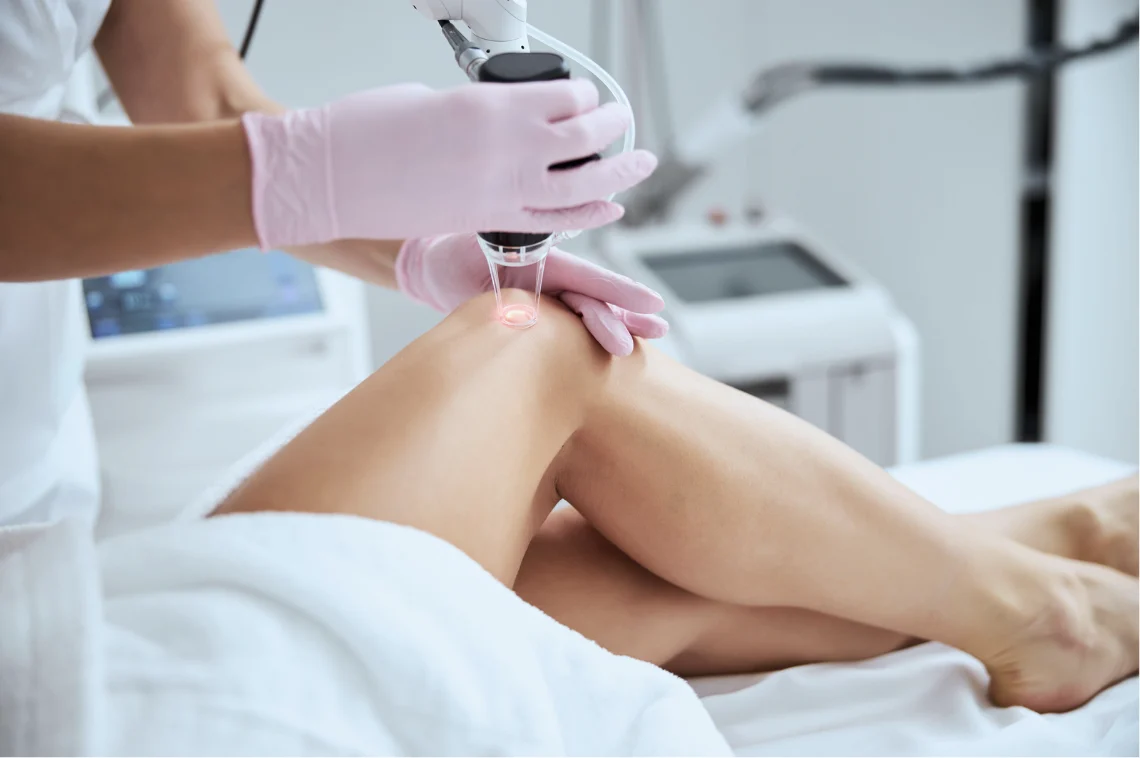
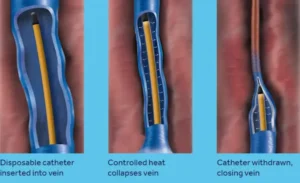
The procedure directs high frequency electrical currents to a specific area. When treating varicose veins, a thin catheter delivers heat directly to the vein wall. This thermal energy causes the diseased vein to collapse and seal shut. Clinical data points to a long term closure rate exceeding 90% for vein treatments, making it a reliable option.
Common conditions treated include:
- Vascular conditions like varicose veins.
- Chronic pain management or neurotomy.
- Thyroid nodules.
- Cardiac arrhythmias.
Is Radiofrequency Ablation Considered a Major Surgery in Singapore?
No, it appears to be a minor, walk-in procedure. Doctors perform it under local anaesthesia rather than general anaesthesia. The actual treatment usually takes between 30 to 90 minutes. Most patients find themselves back at home on the exact same day without a hospital stay.
Who Qualifies for Radiofrequency Ablation?
This option suits individuals looking for relief from chronic vein swelling or persistent nerve discomfort without undergoing highly invasive surgical operations.
Ideal Candidates for Vascular RFA (Varicose Veins)
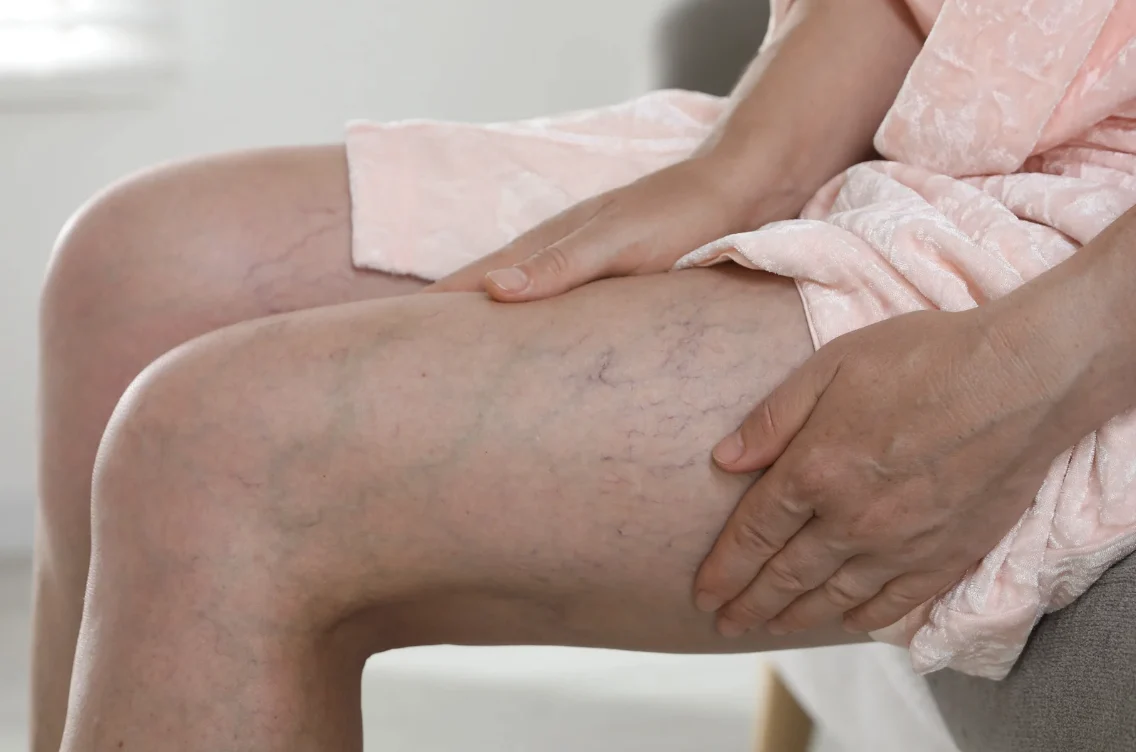
We frequently see patients experiencing heavy legs, noticeable skin changes, or visible bulging veins. If an ultrasound confirms underlying chronic venous insufficiency, you are likely a suitable candidate. The treatment targets the root cause of poor lower limb circulation.
Candidates for Nerve and Pain Management
People dealing with long term lower back, knee, or neck pain often explore this choice. It tends to be recommended when conservative treatments like physical therapy or oral medications have failed to provide adequate comfort or daily relief.
Who Should Not Have Radiofrequency Ablation?
Not everyone is a good fit. The procedure may not be advisable for individuals with:
- Active localised infections.
- Severe bleeding disorders.
- Specific anatomical variations that prevent catheter access.
- Pregnancy, where treatments are usually deferred until after delivery.
The RFA Procedure: What to Expect in the Clinic
Understanding what happens during your appointment can ease nerves, as the steps are straightforward and designed to keep you comfortable throughout.
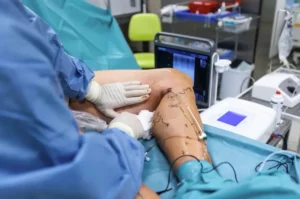
Preparation and Anaesthesia: Are You Put to Sleep?
You rarely need to be completely put to sleep for this treatment. Instead, Singapore clinics typically use local anaesthesia combined with light sedation. This approach numbs the specific treatment area completely. You remain awake and relaxed, minimising recovery time afterward.
During the Procedure: Ultrasound Guidance
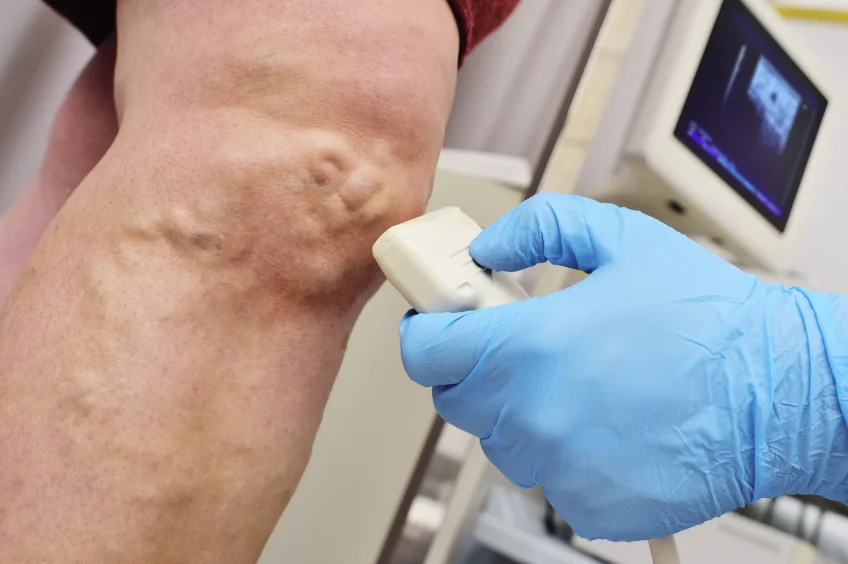
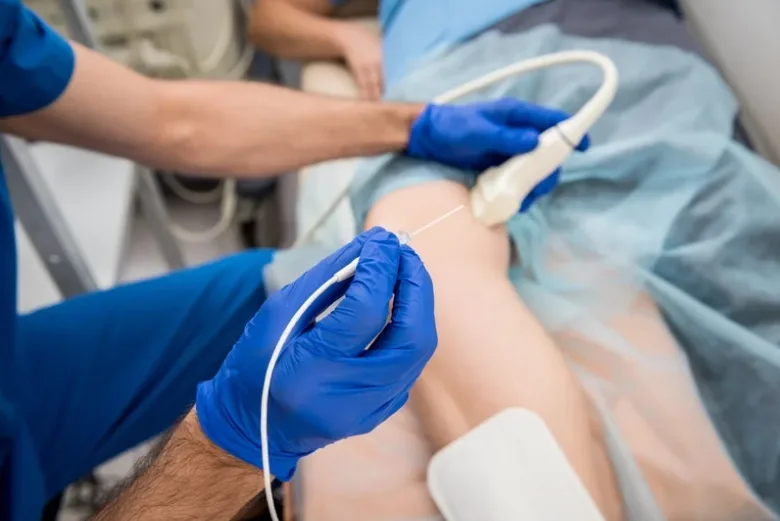
Precision is crucial for safety. The specialist uses real-time ultrasound imaging to map out the exact position of the diseased vein. This visual guidance ensures the thin catheter rests precisely where it needs to, protecting the surrounding healthy tissues from heat.
How Painful is Radiofrequency Ablation?
Most patients report feeling very little discomfort. You will likely feel a minor pinch from the initial local anaesthetic injection. After that, you might experience a mild sensation of pressure or warmth as energy is applied. It is generally well tolerated.
Recovery Time and Post-Procedure Care
Recovery is remarkably swift, but following specific clinic guidelines ensures the treated area heals perfectly without any unexpected issues or prolonged downtime.
How Long is Bed Rest After Ablation?
Prolonged bed rest is discouraged. After a brief monitoring period of an hour at the clinic, you can walk right out. For vein treatments, regular walking is actively encouraged because it promotes healthy blood circulation through your deep veins.
What You Cannot Do After Radiofrequency Ablation
To ensure optimal healing, you should observe a few temporary restrictions for about two weeks:
- Avoid strenuous gym workouts or heavy lifting.
- Steer clear of hot baths and saunas.
- Refrain from prolonged stationary standing.
Managing Discomfort: Why Do I Feel Worse After Ablation?
It is common to notice mild bruising, tightness, or swelling a few days after the procedure. This reaction happens because the body is actively breaking down the closed vein. This temporary flare-up appears to be a normal part of the natural healing process.
What Are the Downsides of Radiofrequency Ablation?
Evaluating the limitations and potential risks provides a balanced view of what the treatment entails over the long term.
Is Nerve or Vein Ablation a Permanent Treatment?
The long term outcome depends on what is treated. For varicose veins, the closed vessel is permanently absorbed by the body. However, new varicose veins can form over time elsewhere. Treated nerves often regenerate within six to twelve months, meaning repeat sessions might be required.
What Are the Disadvantages and Risks?
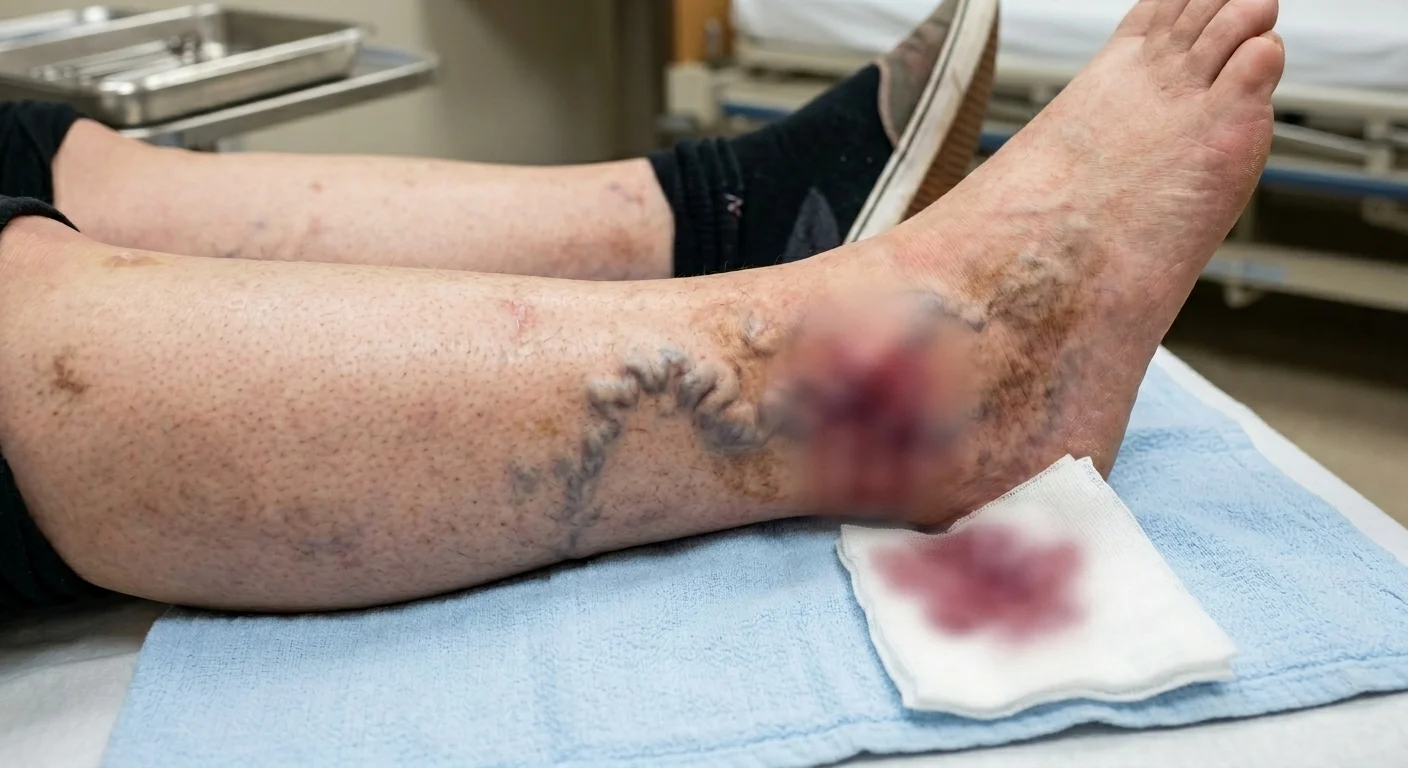
No medical procedure is entirely risk-free. Minor issues can include temporary numbness, minor skin burns, or deep bruising. Serious complications like deep vein thrombosis remain quite rare when performed by experienced specialists, but discussing them during your consultation is always wise.
What is the Next Step if Radiofrequency Ablation Doesn’t Work?
If your symptoms persist, other effective treatments remain available. For vein issues, options include medical adhesives like VenaSeal or micro-sclerotherapy for smaller surface spider veins. Your care team can reassess your legs to adjust the strategy.
Radiofrequency Ablation Costs in Singapore
The financial aspect depends on various factors, including clinic selection, the severity of your medical condition, and your specific insurance policy.
How Much Does Radiofrequency Ablation Cost?
The total expense varies across Singapore. Public hospitals often present lower upfront costs but may involve longer waiting times. Private medical centres provide rapid scheduling, with total fees generally ranging from a few thousand dollars upward depending on the complexity.
Factors Affecting the Price of Treatment
Your final bill is typically influenced by several distinct components:
- Specialist consultation and initial diagnostic ultrasound mapping.
- The specialised disposable RFA catheters.
- Clinic facility fees and day surgery room charges.
- The number of areas requiring treatment.
Insurance and Medisave Coverage
When performed for clear medical reasons like painful varicose veins, the procedure is often claimable. You can frequently utilise Medisave, MediShield Life, or private Integrated Shield Plans in Singapore to offset a major portion of these medical clinic expenses.
Ready for the Next Steps?
If you are experiencing heavy, aching legs, scheduling a comprehensive assessment can clarify your choices. Book a consultation and explore the most appropriate solution for your vascular health.
Published on: 23 July 2026