
That persistent cramp in your calf isn’t always just a muscle strain. In Singapore’s fast-paced environment, where long office hours and frequent air travel are the norm, Deep Vein Thrombosis (DVT) is a critical medical concern.
At the Vascular & Interventional Centre, we treat DVT as a clinical priority. Why? Because a clot in your leg can quickly become a Pulmonary Embolism (PE). This is a life-threatening emergency where the clot travels to your lungs and blocks blood flow. If you suspect DVT, every hour matters.
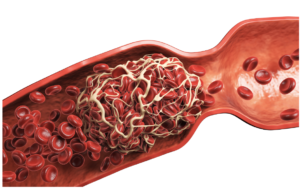 What is DVT?
Deep Vein Thrombosis (DVT) occurs when blood thickens into a semi-solid clot within the deep veins of the leg, thigh, or pelvis. Unlike visible surface veins, these internal motorways are tucked deep within the muscle, making blockages particularly dangerous.
Distinguishing DVT from common ailments is critical for timely treatment:
- The Cramp Myth: While a standard muscle cramp or charley horse typically resolves with stretching and hydration, DVT pain is persistent.
- The Flex Test: DVT discomfort often intensifies specifically when you flex your foot upwards.
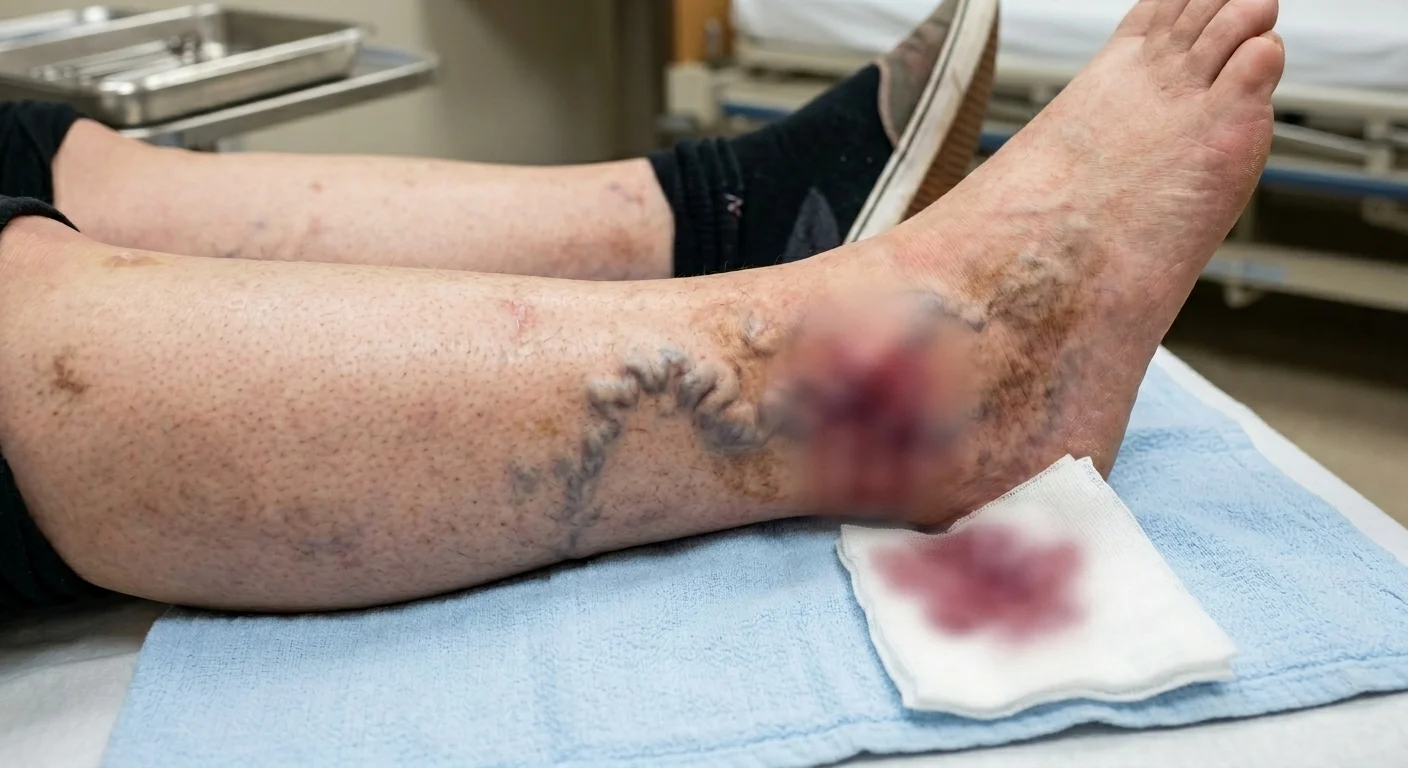
- Physical Indicators: Unlike a simple strain, a clot often triggers swelling and redness that does not improve with elevation.
If left untreated, these clots can break free and travel to the lungs, which is why specialists at VIC Singapore treat the condition as a clinical priority.
The Different Types of DVT: Why Location Matters
The risk level of a blood clot depends heavily on its location. Specialists categorise these to decide how aggressively to treat the blockage and prevent future complications.
Above the Knee (Proximal DVT): High Risk
These clots sit in the larger veins of the thigh or pelvis. Because these vein highways are wide, the clots can grow quite large. This is the most concerning type because a piece of the clot can easily break off and travel to the lungs, causing a life-threatening emergency.
Below the Knee (Distal DVT): Calf Clots
These are confined to the deep veins of the lower leg. While still painful and serious, they are less likely to travel to the lungs than those in the thigh. Doctors often monitor these closely with ultrasounds to ensure the clot doesn’t creep upward.
The Blue Leg Emergency
A rare, massive blockage that stops almost all blood flow. If the leg turns blue and is intensely painful, it is a medical emergency that requires immediate surgery to save the limb.
Why did DVT Form?
- Provoked: There is a clear cause, like surgery, a long flight, or an injury. Once the trigger is gone, the risk usually goes down.
- Unprovoked: The clot happens for no obvious reason. This might suggest a genetic issue or a chronic condition, often requiring long-term medication since the cause is unknown.
What Causes DVT? Common Risk Factors in Singapore
Several daily habits and medical conditions can slow down blood flow. In a fast-paced city, lifestyle factors often play a surprisingly large role in vascular health.
 Sedentary Lifestyle
- Sitting at a desk for nine hours straight reduces circulation.
- Lack of calf muscle movement stops blood from pumping upwards.
- Dehydration from excessive coffee intake can thicken the blood.
 Travel-Related DVT
Long flights severely restrict your movement. Sitting in cramped cabins with low humidity levels appears to elevate your risk of developing a clot.
 Medical & Genetic Risks
Sometimes the cause is internal. Certain factors make your blood stickier than average:
- Recent major surgery (especially hip or knee replacements).
- Pregnancy and the postpartum period.
- Certain medications, including some hormone replacement therapies.
- A family history of blood disorders or thick blood.
The Ultimate Risk: From DVT to Pulmonary Embolism (PE)
The greatest danger of DVT is not the leg pain itself, but its ability to migrate. When a piece of the clot breaks free, it travels through the heart and lodges in the lungs.
Seek Emergency Care Immediately if you experience:
- Sudden, unexplained shortness of breath.
- Sharp chest pain that worsens when breathing deeply.
- A rapid heart rate or feeling faint.
- Coughing up blood.
Your Risk Profile: Where Do You Stand?
Not all risks are equal. Based on your lifestyle and medical history, you likely fall into one of the following categories.
| Risk Level | Profile Characteristics | Action Required |
| High Risk | Recent major surgery (hip/knee), active cancer, pregnancy/postpartum, or a known genetic clotting disorder. | Immediate Specialist Screening if any symptoms appear. |
| Medium Risk | Use of hormonal therapy (OCP/HRT), long-haul travel (>4 hours), or minor leg injuries. | Vigilant Monitoring and preventative measures (compression). Seek medical attention if symptoms develop. |
| Low Risk | Generally active, hydrated, no family history of clotting, and under the age of 40. | Maintain Activity and stay informed of the warning signs. |
Specialist Assessment: What We Check
At VIC Singapore, a DVT screening is more than a simple visual check. Our DVT Risk Assessment is designed to provide a definitive clinical picture of your vascular health.
1. Visual & Physical Examination
Our specialists don’t just look for clots; we evaluate the entire health of the limb. This includes:
- Leg Swelling Measurement: We perform precise measurements to check for asymmetry between limbs.
- Skin Change Inspection: Checking for discolouration, redness, or leathery textures (signs of chronic venous insufficiency).
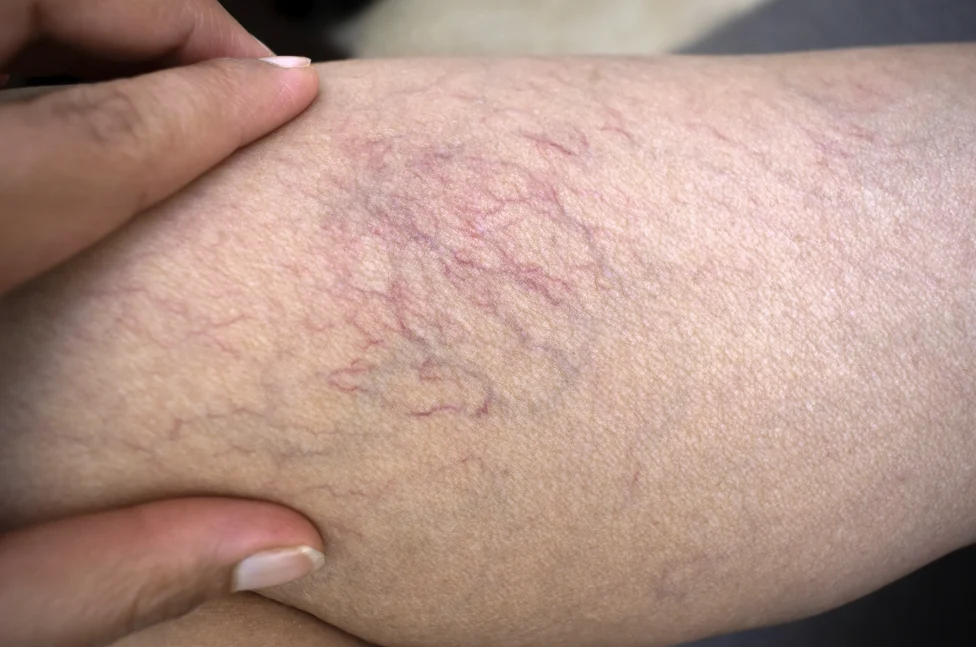
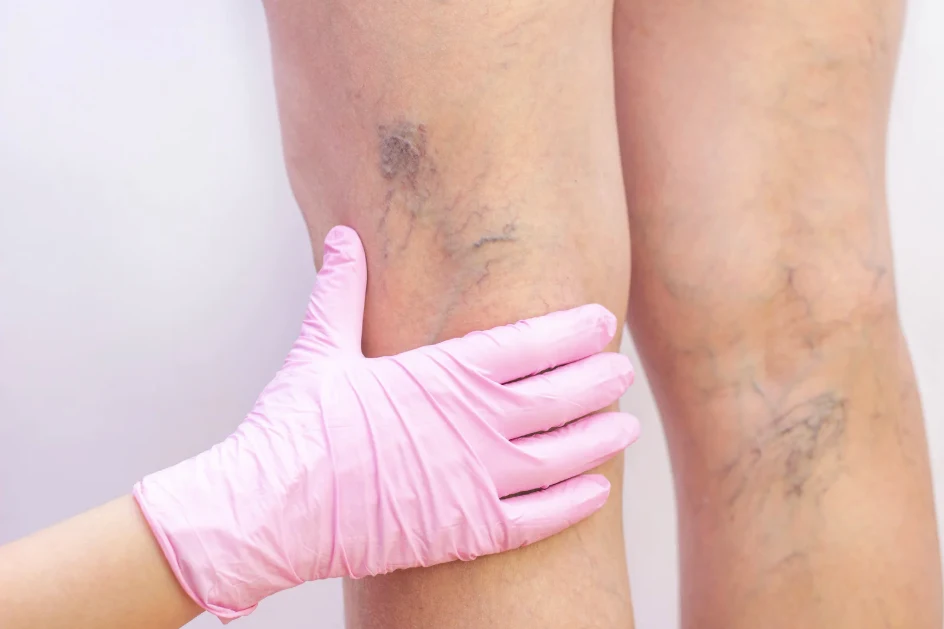
- Vein Mapping: Identifying enlarged or hard surface veins that may indicate deeper issues.
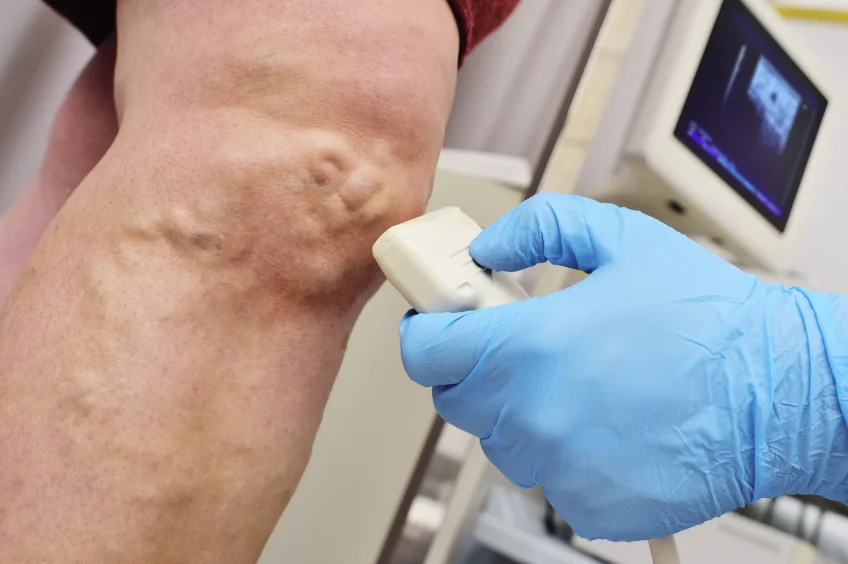
2. In-Clinic Duplex Ultrasound Scan
This is the gold standard of DVT diagnosis. Unlike a basic scan, our in-clinic duplex ultrasound:
- Checks for Hidden Clots: Visualises the deep veins to find the exact location of any blockages.
- Detects Faulty Vein Valves: Identifies if reflux (blood flowing backwards) is contributing to your risk.
- Assesses Blood Flow Quality: Measures the speed and direction of blood flow to ensure your circulation isn’t sluggish.
3. Personalised Risk Profiling
We don’t just give you a yes or no diagnosis. We classify your risk into High, Medium, or Low profiles based on:
- Your medical and family history.
- Lifestyle factors (travel, sedentary work).
- The physical findings from your scan.
DVT Treatment Options in Singapore
Modern medicine offers several effective ways to clear blood clots safely. Treatment ranges from oral medications to minimally invasive procedures designed to restore normal blood flow.
| Treatment Type | Primary Goal | Best For |
| Blood Thinners | Prevent worsening of clots. Clot dissolution occurs slowly via natural body processes. | Most standard below knee DVT cases |
| Thrombectomy | Active removal of clots | Large, high-risk clots |
| IVC Filter | Prevent PE (trap clots in the abdomen and preventing them from travelling to the lungs) | Patients who can’t take meds or undergo surgery due to other medical issues |
Non-Surgical Management: Anticoagulants (Blood Thinners) & Compression Therapy
Prescription blood thinners prevent the clot from growing larger while your body breaks it down. Medical grade compression stockings are also prescribed to manage daily swelling.
Minimally Invasive Procedures: Pharmacomechanical Thrombectomy (Clot Removal)
For severe blockages, specialists use a tiny catheter inserted into the vein. This tool physically breaks up the clot and suctions it out, which usually provides rapid relief.
IVC Filters: Protection for High-Risk Patients
If you cannot safely take blood thinners, a tiny metal filter can be placed in the main abdominal vein. It acts like a safety net to catch rogue clots before they reach the lungs.
Why Choose the Vascular & Interventional Centre?
When dealing with a condition as time-sensitive as DVT, the expertise of your medical team is your greatest asset. At VIC Singapore, we provide more than just a diagnosis; we provide a dedicated pathway to recovery.
Specialist-Led Clinical Care
Our clinic is led by senior vascular specialists who focus exclusively on the health of your veins and arteries. Unlike a general practitioner, our team has the specific training to identify subtle markers of blood clots that others might miss.
Same-Day Diagnostic Results
We understand that waiting for a scan can be a source of immense anxiety. That is why we offer in-house Duplex Ultrasound imaging. This allows us to confirm the presence of a clot and determine its exact location during your initial visit, ensuring that treatment begins immediately.
Cutting-Edge Minimally Invasive Technology
We utilise the latest medical advancements, such as Pharmacomechanical Thrombectomy, to treat severe clots. These procedures are performed through a tiny puncture in the skin, allowing for faster recovery times and a lower risk of long-term complications compared to traditional surgery.
A Comprehensive Prevention Plan
Our care does not end once the clot is treated. We perform a deep dive into your unique risk profile to prevent recurrence. Whether it is managing a genetic clotting disorder or providing lifestyle guidance for frequent travellers, we ensure you have a long-term strategy for vascular health.
Don’t Ignore the Warning Signs
DVT is often silent until it is too late. If you are experiencing one-sided leg swelling, redness, or a persistent cramping sensation, do not wait.
Contact the Vascular & Interventional Centre Singapore today for an urgent DVT assessment. Your life could depend on it.