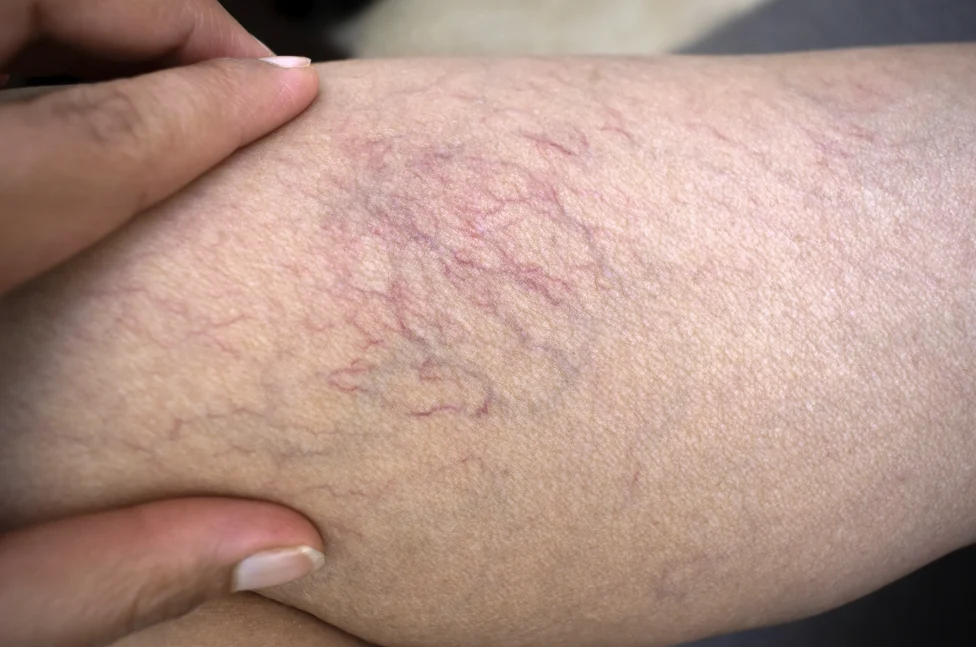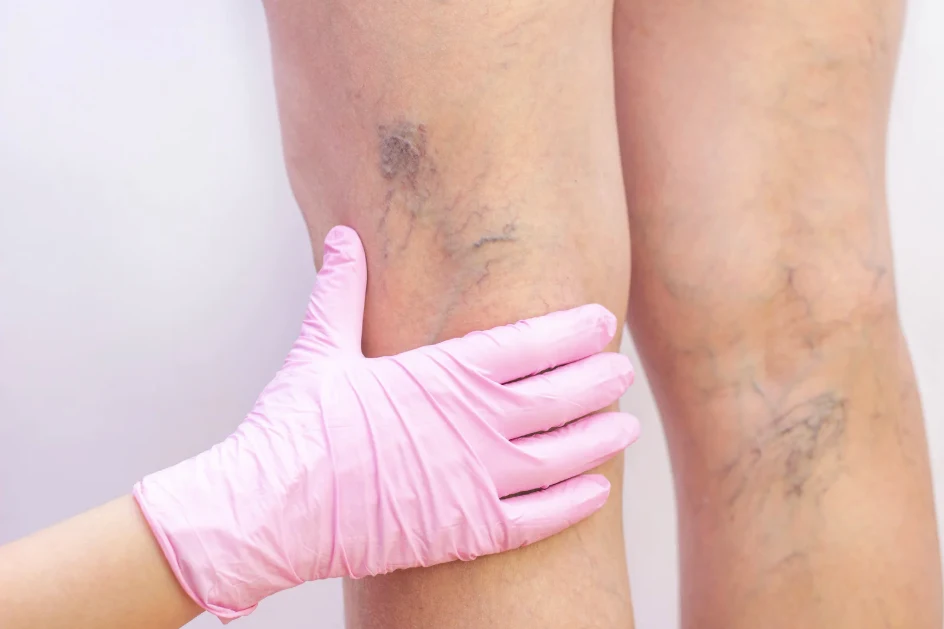

If you’ve noticed bulging, purple lines on your legs, you aren’t just getting older. Those veins are a medical signal that your circulation needs help. Below, we debunk the most common misconceptions to help you understand your vein health.
What Are Varicose Veins?
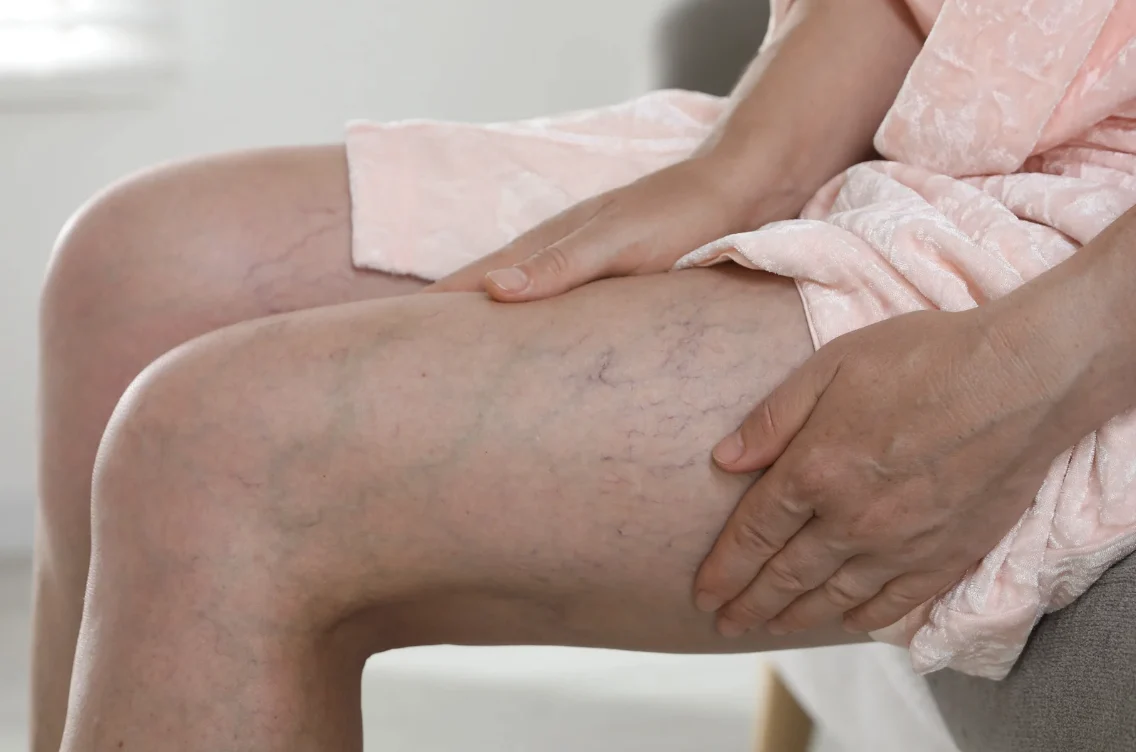
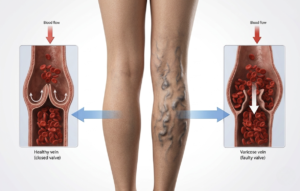 Varicose veins occur when the one-way valves in your legs become weak or damaged. These valves are responsible for pumping blood back up to your heart. Instead of flowing upward, blood pools in the vein, causing it to stretch, twist, and bulge. This condition is known medically as Venous Reflux.
Myth 1: Varicose Veins Are Only a Cosmetic Problem
The Truth: They Can Cause Pain, Swelling, and Circulation Issues.
While many people start their journey at a vascular clinic because they dislike how their legs look, varicose veins are a clinical sign of Chronic Venous Insufficiency (CVI).
When blood pools in the lower legs (stasis), it creates high pressure. Over time, this can lead to heavy legs, nighttime cramps, and even Deep Vein Thrombosis (DVT). Think of it as a plumbing issue: if the pipes are backed up, it eventually affects the structural integrity of the whole system, not just the view.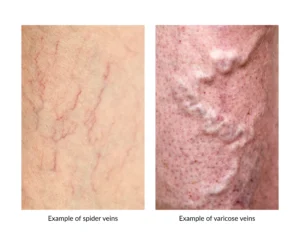
| Feature | Spider Veins | Varicose Veins |
| Appearance | Small, red/purple webs | Large, lumpy, and twisted |
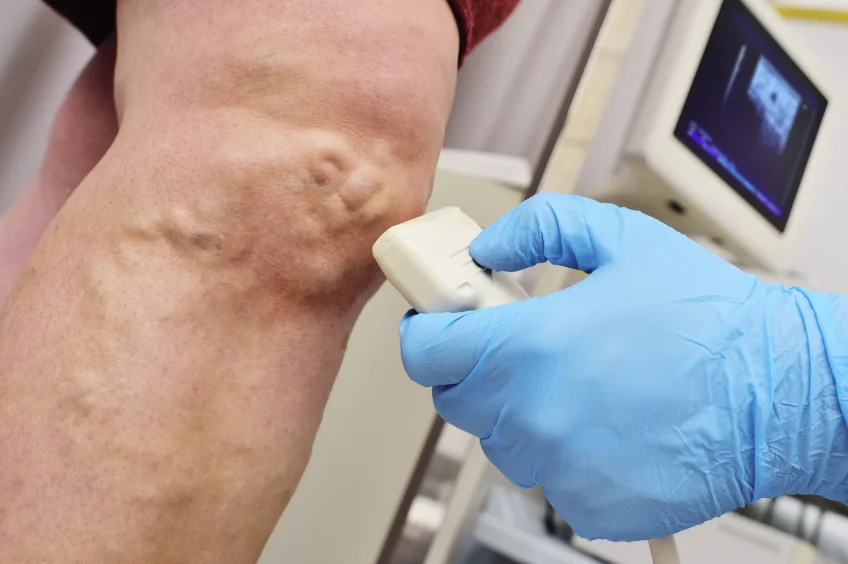
| Texture | Flat and smooth | Bulging and raised |
| Sensation | Usually painless | Heavy, aching, or painful |
| Depth | Right under the skin | Deeper in the leg tissue |
Myth 2: Only Older People Get Varicose Veins
The Truth: They Can Develop in Younger Adults Too.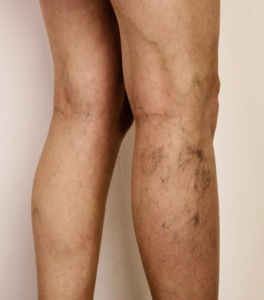
While age is a factor, as tissues lose elasticity when we get older, younger adults can also develop symptoms as early as in their 20s and 30s.
The three biggest drivers of younger onset varicose veins are:
- Genetics: If both your parents had them, you have nearly a 90% chance of developing them.
- Pregnancy: Increased blood volume and hormonal changes that relax vein walls often trigger the first appearance of bulging veins.
- Occupation: Retail staff, nurses, and teachers who stand for 8+ hours a day are at high risk regardless of their age.
Myth 3: Crossing Your Legs Causes Varicose Veins
 The Truth: Genetics and Weak Vein Valves Are the Main Causes.
Crossing your legs might make an existing varicose vein feel slightly more uncomfortable because you are applying external pressure to an already sensitive area, but it does not cause the valves to fail. The real culprits are genetics, gravity, weight, and the natural weakening of the vein walls over decades. You can cross your legs as much as you like; just make sure you get up and walk around every 30 minutes.
Myth 4: If Varicose Veins Don’t Hurt, They Are Harmless
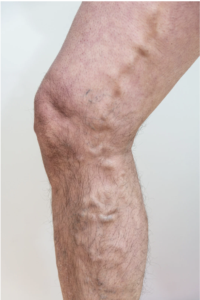
The Truth: Symptoms and complications can develop gradually.
Vascular specialists use the CEAP classification to track progression. Even if you have no pain at Stage 2, you are at risk of moving toward more dangerous territory.
- Stage 1–2: Visible spider or rope-like veins.
- Stage 3: Persistent swelling (oedema) in the ankles.
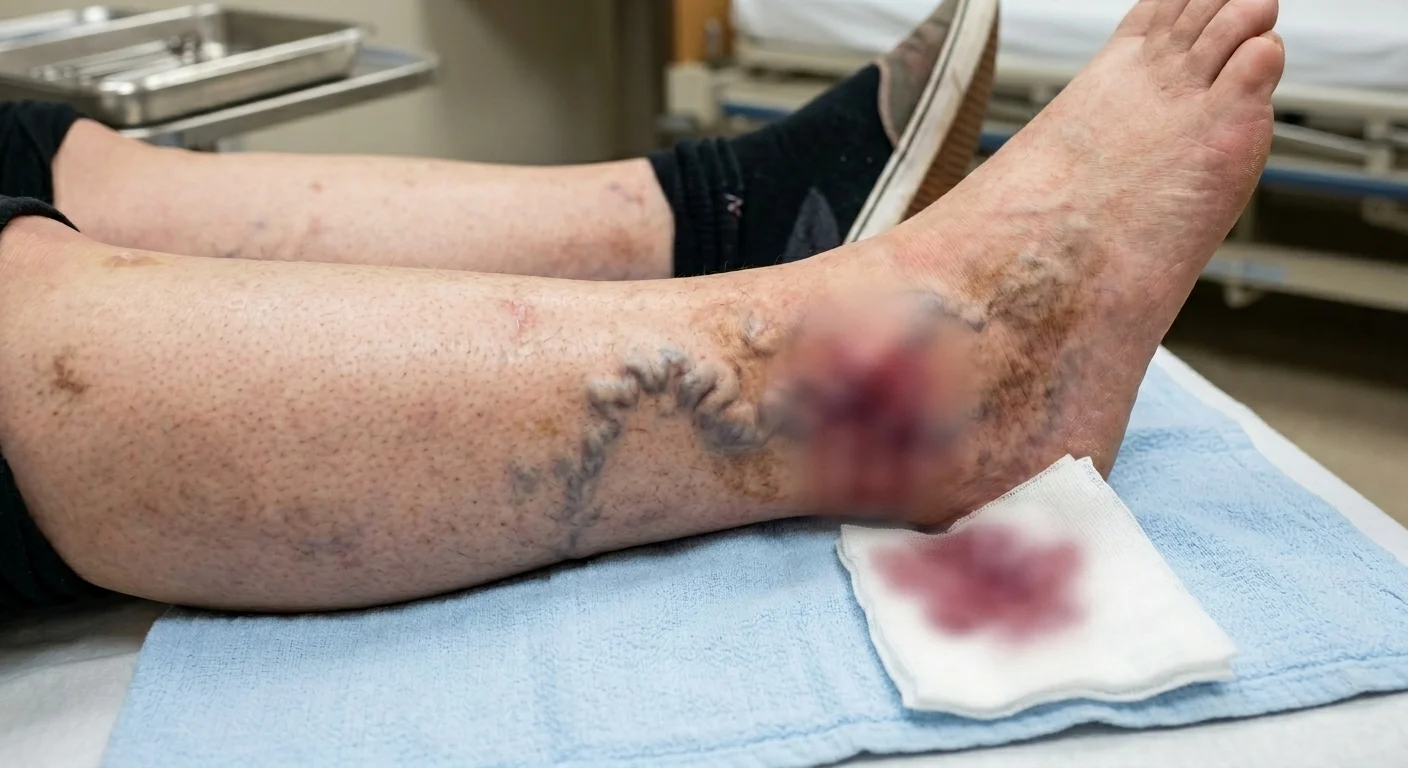
- Stage 4: Skin darkens or becomes leathery.
- Stage 5–6: Healed or active open ulcers (a medical emergency).
Myth 5: Compression Socks Can Cure Varicose Veins
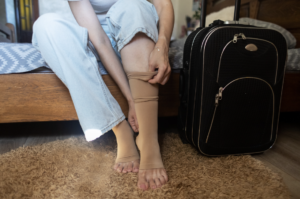 The Truth: They Help Manage Symptoms but do not remove the underlying vein problem.
Compression stockings are excellent for managing swelling and preventing the condition from worsening. They apply external pressure to help the calf muscles push blood upward more efficiently.
While they are excellent for reducing swelling and preventing the condition from getting worse during a long flight or a day at work, they are not a cure. The moment you take the socks off, the underlying valve remains damaged.
Myth 6: Exercise Makes Varicose Veins Worse
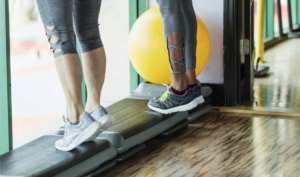 The Truth: Regular movement can improve circulation and reduce symptoms.
Some patients fear that pumping blood during exercise will put too much strain on the veins. In reality, the opposite is true. Your calf muscle is often called your second heart. When you walk, run, or cycle, the calf muscle contracts and squeezes the veins, forcing blood back up toward the heart. While we recommend avoiding extremely heavy weightlifting without proper form (as it increases abdominal pressure), low-impact cardio is essential for maintaining vein health.
Myth 7: Surgery Is the Only Treatment Option
The Truth: Modern treatments are minimally invasive and often done as day procedures.
The vein stripping of the past is obsolete. In Singapore, we now use keyhole techniques with 24-hour recovery times:
- VenaSeal (Medical Glue): A tiny catheter is used to glue the damaged vein shut. It requires no heat and often no post-op compression stockings.
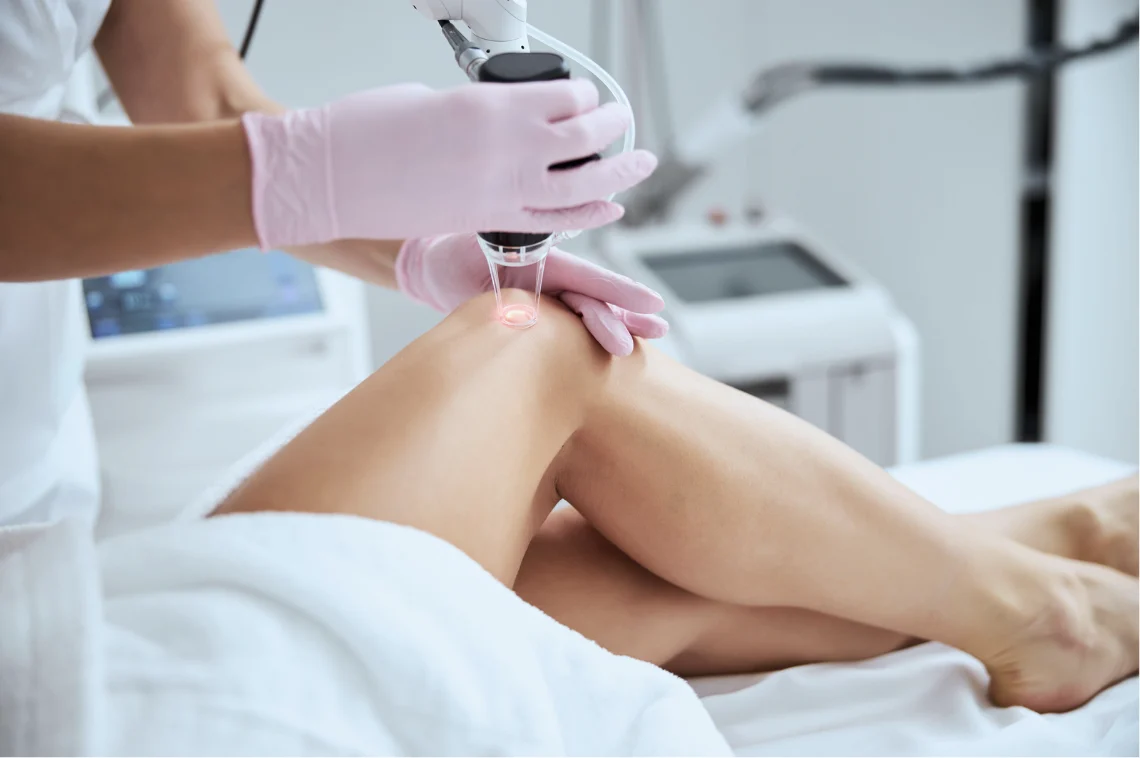
- Radiofrequency/Laser Ablation: Uses controlled heat to seal the vein.
- Sclerotherapy: A medicated foam is injected into smaller veins to make them collapse and disappear.
Singapore Cost & Coverage: In the private sector, modern treatments like Ablation or VenaSeal typically range from S$4,900 to S$7,300. If your specialist deems the treatment medically necessary (Stages 3–6), you can often use Medisave or Integrated Shield Plans to cover 80% to 95% of the bill.
Frequently Asked Questions
Can walking replace varicose veins treatments?
Walking is great for prevention, but it isn’t a cure. While walking helps the calf pump move blood, it won’t fix a valve that has already failed. Similarly, creams might soothe itchy skin, but they won’t fix the internal structural damage.
Can you get rid of varicose veins without treatment?
No home remedy or natural approach will permanently remove varicose vein. Home remedies might make your legs feel better for a moment, but they won’t solve the underlying problem.
Is it safe to leave varicose veins untreated?
Leaving them alone can lead to skin ulcers, spontaneous bleeding, or Deep Vein Thrombosis (DVT). If you feel heavy legs at night, it’s time for a scan.
Ready to give your legs a break? At the Vascular & Interventional Centre, we use advanced ultrasound mapping to find the least invasive path to recovery. Book a consultation with our vascular specialists today to explore which varicose veins treatment is right for you.